↓ Skip to main content

Topics

Security

57 posts · 2019–2026

DAST

DAST

·2 mins
DAST stands for Dynamic Application Security Testing. It is a type of security testing that assesses the security of an application while it is running.
x509: History

x509: History

·3 mins
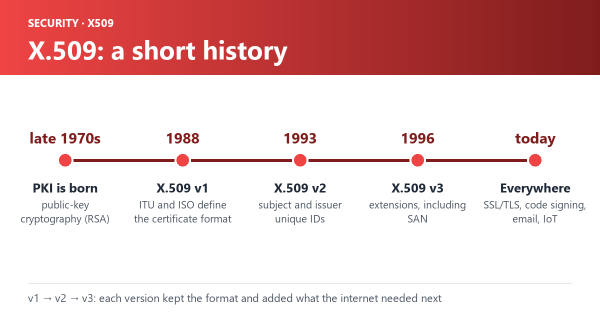
X.509 certificates have become a fundamental component of secure communication on the internet. They provide authentication, encryption, and integrity for various applications and protocols.
cURL

cURL

·9 mins
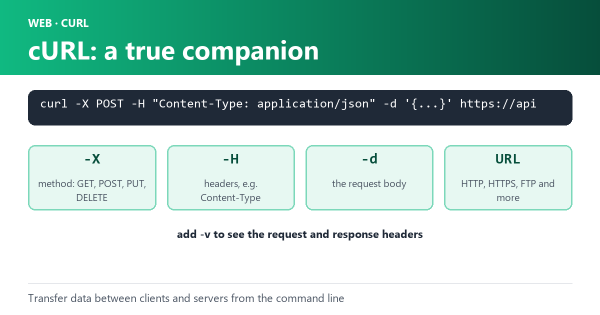
CURL is a command-line tool that allows developers to transfer data between servers and clients using various protocols, including HTTP and HTTPS.
SSL/TLS

SSL/TLS

·2 mins
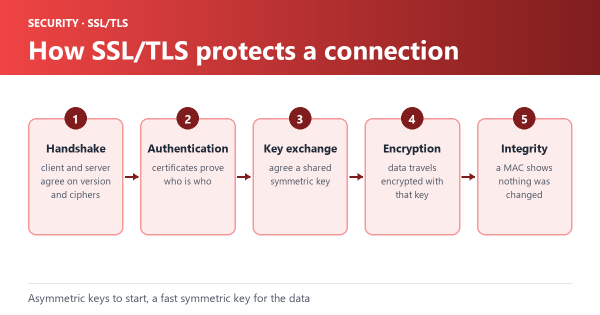
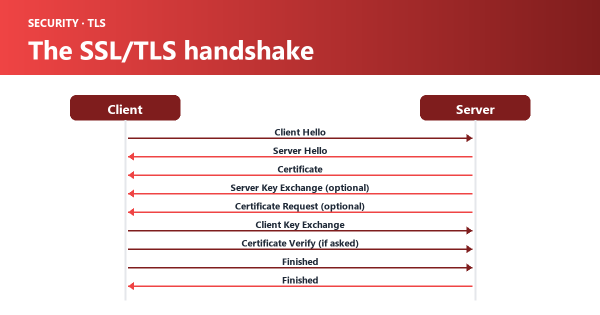
Secure Socket Layer and its successor TLS (Transport Layer Security) are cryptographic protocols that provide encryption, integrity, and authentication for network communication.
PKI

PKI

·2 mins
PKI is the core of security for most organizations, and at its heart is a couple of keys that together allows the encryption/decryption of the traffic exchanged.
Cracking CISM

Cracking CISM

·2 mins
I recently gave CISM and I believe it is easily crackable. For those who are pursuing this certification the mantra is similar (or at least the one that I followed)
oAuth: 2.0

oAuth: 2.0

·4 mins
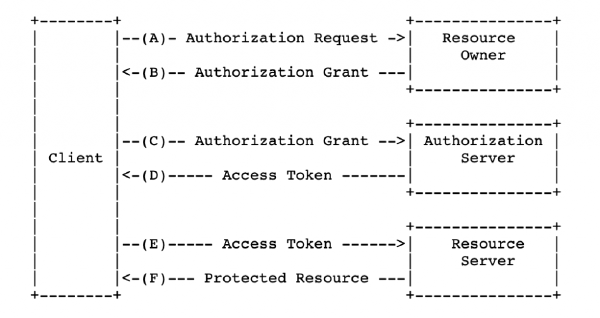
What is OAuth? # From the official definition It is protocol for Authorization It allows authorization flows for web applications, desktop applications, mobile apps etc.
CISSP: Next target

CISSP: Next target

·1 min
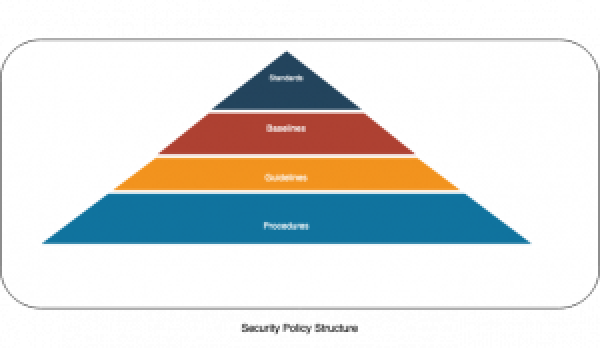
I just finished my upgrade to Safe Certification and now will be going for CISSP certification. Wish my luck guys! Some quotes # Effective security plans anticipates change, focuses on specific and achievable objectives, potential problems, and serves as the basis of decision making. Operational plans are the shortest and most frequently updated Tactical plans are mid term plans and supports strategical plans. Strategic plans are the long term plans (usually 5 years) and usually includes risk assessment. Data classification is the primary means by which data is protected based on its need for secrecy, sensitivity and confidentiality. Data classification is the process of organizing objects, subjects, items into groups of similarities (value, cost, vulnerability, risk, power, privilege) Stratify the process of organizing and securing data based on assigned labels of importance and sensitivity. Data classification also addresses how data is removed and destroyed. Security policy is used to assign responsibilities, define acceptable risks, define roles, specify audit requirements and indicate compliance. Security policy are not optional rather mandatory. Three types of security policies are regulatory, advisory and informative.
Identity

Identity

·1 min
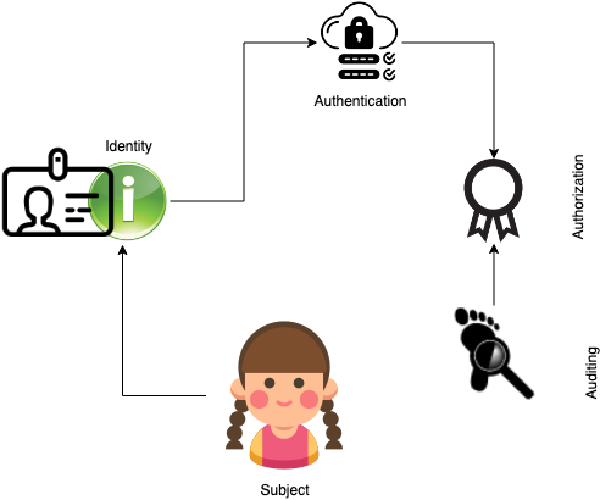
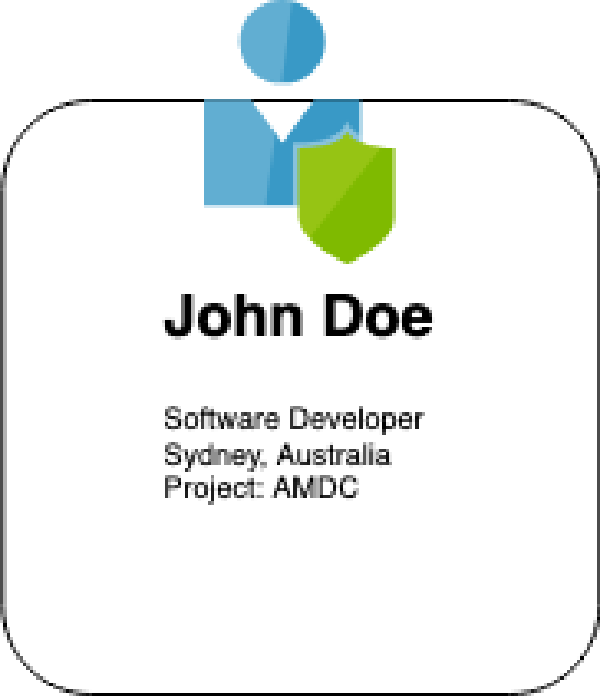
What is an identity? # Identity is the link that correlates the subject and the authentication process. Without a valid identity the system has no way of establishing who the subject is? Identity enables the subject to be identified and validated, and only once it has been established and authorized it is accountable for any actions taken in the system.
GoLang: Hash

GoLang: Hash

·2 mins
Previously I talked about files, encoding in golang. In this LTD (learn to do) I will talk about hash package in general. https://blog.samarthya.me/wps/2021/01/30/golang-encoding/ Help # https://golang.org/pkg/hash/#Hash https://golang.org/pkg/crypto/#Hash.New https://golang.org/src/crypto/crypto.go?s=364:378#L6 https://golang.org/pkg/crypto/#pkg-subdirectories Package crypto collects common cryptographic constants. — Official golang documentation const ( MD4 Hash = 1 + iota // import golang.org/x/crypto/md4 MD5 // import crypto/md5 SHA1 // import crypto/sha1 SHA224 // import crypto/sha256 SHA256 // import crypto/sha256 SHA384 // import crypto/sha512 SHA512 // import crypto/sha512 MD5SHA1 // no implementation; MD5+SHA1 used for TLS RSA RIPEMD160 // import golang.org/x/crypto/ripemd160 SHA3_224 // import golang.org/x/crypto/sha3 SHA3_256 // import golang.org/x/crypto/sha3 SHA3_384 // import golang.org/x/crypto/sha3 SHA3_512 // import golang.org/x/crypto/sha3 SHA512_224 // import crypto/sha512 SHA512_256 // import crypto/sha512 BLAKE2s_256 // import golang.org/x/crypto/blake2s BLAKE2b_256 // import golang.org/x/crypto/blake2b BLAKE2b_384 // import golang.org/x/crypto/blake2b BLAKE2b_512 // import golang.org/x/crypto/blake2b ) Let’s try out a simple MD5 hasher.
A different take: SIEM

A different take: SIEM

·4 mins
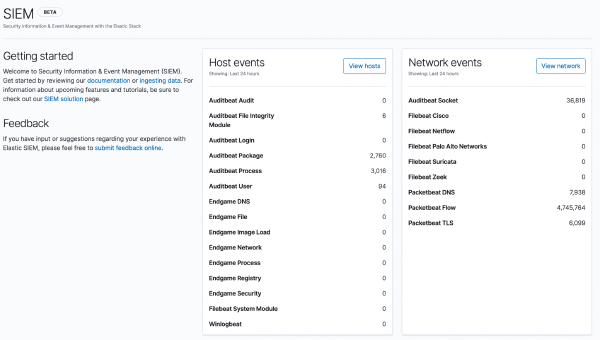
Security space is an ever evolving. It never stays stagnant; everyday you see a new exploit, a new hack. As an individual, you may have Antivirus installed on your system, Firewall - UP, ports blocked yet you are not free from threat
LDAP Realm in Elasticsearch

LDAP Realm in Elasticsearch

It is a short howto guide which shall talk about adding a LDAP realm to an Elasticsearch 7.6.2 cluster. Realms # It is a concept not alien to IDAM professionals. In simple words it is a system that allows you to authenticate and authorize an incoming request. It will define the entity USER, that may include at a bare minimum (not limited to)
Elastic: Realms

Elastic: Realms

·3 mins
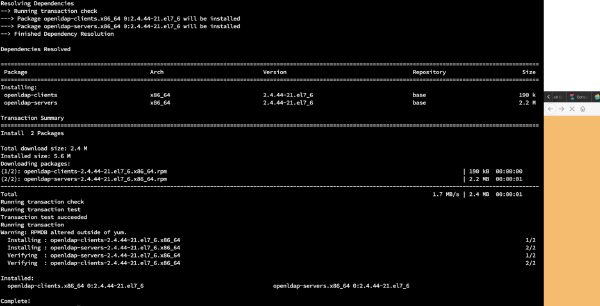
In this blog we will try to setup a realm for elastic authentication. yum -y install openldap-clients openldap-servers mymachine>systemctl start slapd mymachine>systemctl enable slapd Created symlink from /etc/systemd/system/multi-user.target.wants/slapd.service to /usr/lib/systemd/system/slapd.service. mymachine>slappasswd New password: Re-enter new password: {SSHA}R5nPS+zItZsQrfsw+PIQSNnEiMpLcwLs mymachine>vi /etc/openldap/slapd.d/cn=config/olcDatabase={2}hdb.ldif # AUTO-GENERATED FILE - DO NOT EDIT!! Use ldapmodify. # CRC32 975a66fa dn: olcDatabase={2}hdb objectClass: olcDatabaseConfig objectClass: olcHdbConfig olcDatabase: {2}hdb olcDbDirectory: /var/lib/ldap olcSuffix: dc=my-domain,dc=com olcRootDN: cn=Manager,dc=my-domain,dc=com olcDbIndex: objectClass eq,pres olcDbIndex: ou,cn,mail,surname,givenname eq,pres,sub structuralObjectClass: olcHdbConfig entryUUID: 64a2a5de-3438-103a-8e85-c1c4cc3ef35f creatorsName: cn=config createTimestamp: 20200527073533Z entryCSN: 20200527073533.541185Z#000000#000#000000 modifiersName: cn=config modifyTimestamp: 20200527073533Z mymachine>firewall-cmd --add-service=ldap success mymachine>vi ldaproot.ldif dn: olcDatabase={0}config,cn=config changetype: modify add: olcRootPW olcRootPW: {SSHA}R5nPS+zItZsQrfsw+PIQSNnEiMpLcwLs mymachine>ldapadd -Y EXTERNAL -H ldapi:/// -f ldaproot.ldif SASL/EXTERNAL authentication started SASL username: gidNumber=0+uidNumber=0,cn=peercred,cn=external,cn=auth SASL SSF: 0 modifying entry "olcDatabase={0}config,cn=config" mymachine>cp /usr/share/openldap-servers/DB_CONFIG.example /var/lib/ldap/DB_CONFIG mymachine>chown -R ldap:ldap /var/lib/ldap/DB_CONFIG mymachine>systemctl restart slapd mymachine>ldapadd -Y EXTERNAL -H ldapi:/// -f /etc/openldap/schema/cosine.ldif SASL/EXTERNAL authentication started SASL username: gidNumber=0+uidNumber=0,cn=peercred,cn=external,cn=auth SASL SSF: 0 adding new entry "cn=cosine,cn=schema,cn=config" mymachine>ldapadd -Y EXTERNAL -H ldapi:/// -f /etc/openldap/schema/nis.ldif SASL/EXTERNAL authentication started SASL username: gidNumber=0+uidNumber=0,cn=peercred,cn=external,cn=auth SASL SSF: 0 adding new entry "cn=nis,cn=schema,cn=config" mymachine>ldapadd -Y EXTERNAL -H ldapi:/// -f /etc/openldap/schema/inetorgperson.ldif SASL/EXTERNAL authentication started SASL username: gidNumber=0+uidNumber=0,cn=peercred,cn=external,cn=auth SASL SSF: 0 adding new entry "cn=inetorgperson,cn=schema,cn=config" vi ldapdomain.ldif dn: olcDatabase={1}monitor,cn=config changetype: modify replace: olcAccess olcAccess: {0}to * by dn.base="gidNumber=0+uidNumber=0,cn=peercred,cn=external,cn=auth" read by dn.base="cn=Manager,dc=samarthya,dc=com" read by * none dn: olcDatabase={2}hdb,cn=config changetype: modify replace: olcSuffix olcSuffix: dc=samarthya,dc=com dn: olcDatabase={2}hdb,cn=config changetype: modify replace: olcRootDN olcRootDN: cn=Manager,dc=samarthya,dc=com dn: olcDatabase={2}hdb,cn=config changetype: modify add: olcRootPW olcRootPW: {SSHA}R5nPS+zItZsQrfsw+PIQSNnEiMpLcwLs dn: olcDatabase={2}hdb,cn=config changetype: modify add: olcAccess olcAccess: {0}to attrs=userPassword,shadowLastChange by dn="cn=Manager,dc=samarthya,dc=com" write by anonymous auth by self write by * none olcAccess: {1}to dn.base="" by * read olcAccess: {2}to * by dn="cn=Manager,dc=samarthya,dc=com" write by * read mymachine>ldapmodify -Y EXTERNAL -H ldapi:/// -f ldapdomain.ldif SASL/EXTERNAL authentication started SASL username: gidNumber=0+uidNumber=0,cn=peercred,cn=external,cn=auth SASL SSF: 0 modifying entry "olcDatabase={1}monitor,cn=config" modifying entry "olcDatabase={2}hdb,cn=config" modifying entry "olcDatabase={2}hdb,cn=config" modifying entry "olcDatabase={2}hdb,cn=config" modifying entry "olcDatabase={2}hdb,cn=config" mymachine>vi baseldapdomain.ldif dn: dc=samarthya,dc=com objectClass: top objectClass: dcObject objectclass: organization o: samarthya com dc: samarthya dn: cn=Manager,dc=samarthya,dc=com objectClass: organizationalRole cn: Manager description: Directory Manager dn: ou=People,dc=samarthya,dc=com objectClass: organizationalUnit ou: People dn: ou=Group,dc=samarthya,dc=com objectClass: organizationalUnit ou: Group mymachine>ldapadd -x -D cn=Manager,dc=samarthya,dc=com -W -f baseldapdomain.ldif Enter LDAP Password: adding new entry "dc=samarthya,dc=com" adding new entry "cn=Manager,dc=samarthya,dc=com" adding new entry "ou=People,dc=samarthya,dc=com" adding new entry "ou=Group,dc=samarthya,dc=com" dn: cn=Manager,ou=Group,dc=samarthya,dc=com objectClass: top objectClass: posixGroup gidNumber: 1009 ldapadd -x -W -D "cn=Manager,dc=samarthya,dc=com" -f ldapgroup.ldif Enter LDAP Password: adding new entry "cn=Manager,ou=Group,dc=samarthya,dc=com" mymachine>useradd samarthya mymachine>passwd samarthya Changing password for user samarthya. mymachine>ldapadd -x -D cn=Manager,dc=samarthya,dc=com -W -f ldauser.ldif Enter LDAP Password: adding new entry "uid=samarthya,ou=People,dc=samarthya,dc=com" dn: uid=samarthya,ou=People,dc=samarthya,dc=com objectClass: top objectClass: account objectClass: posixAccount objectClass: shadowAccount cn: samarthya uid: samarthya uidNumber: 1005 gidNumber: 1005 homeDirectory: /home/samarthya userPassword: {SSHA}R5nPS+zItZsQrfsw+PIQSNnEiMpLcwLs loginShell: /bin/bash gecos: samarthya shadowLastChange: 0 shadowMax: 0 shadowWarning: 0 Installing phpLdap # yum install php-ldap php-mbstring php-pear php-xml https://www.digitalocean.com/community/tutorials/how-to-install-linux-nginx-mysql-php-lemp-stack-on-centos-7

Elastic: _security API

Elastic: _security API

·2 mins
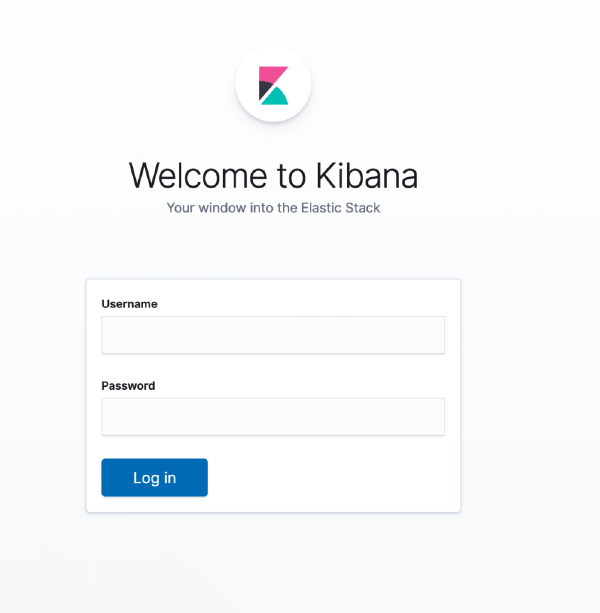
Kibana is an effective way of managing users; but as a programmer you always need an API. It helps to integrate with other applications you are building Quick and clean way without any cosmetics > GET /_security/_authenticate HTTP/1.1 > Host: myserver.elastic.node:9200 > Authorization: Basic ABCDEFGHIJKLMNOP== > User-Agent: insomnia/7.1.1 > Accept: */* < HTTP/1.1 200 OK < content-type: application/json; charset=UTF-8 < content-length: 236 * Received 236 B chunk * Connection #2 to host myserver.elastic.node left intact GET https://myserver.elastic.node:9200/_security/_authenticate I have added basic authentication to quickly check
GoLang: SmipleCipher v2.0

GoLang: SmipleCipher v2.0

So continuing from the last blog where I wrote a crude version of SimpleCipher and was inclined on removing the duplicate code, here I am with the improved version. Handy links # [fmt](https://golang.org/pkg/fmt/) package [strings](https://golang.org/pkg/strings/) package. Defining types # While I compiled and unit tested code the general feeling was what can be optimized.
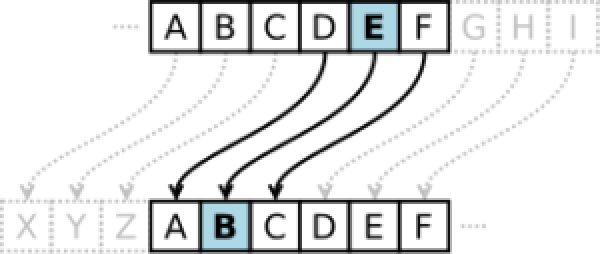
GoLang: SimpleCipher

GoLang: SimpleCipher

·4 mins
Hello back again, Golang is just a new syntax for me. Even though behind the scenes they developers have simplified many things, for a consumer like me writing a program is more about learning the new syntax and getting familiarized with the control and stack.
Security Analytics

Security Analytics

* Header image from Elastic.co As we move towards the micro-service/container economy where there are heaps of products available in form of applications to be downloaded & installed on primarily two platforms Android and IOS, we just cant underline the security implications enough.
Spring Data-LDAP

Spring Data-LDAP

·7 mins
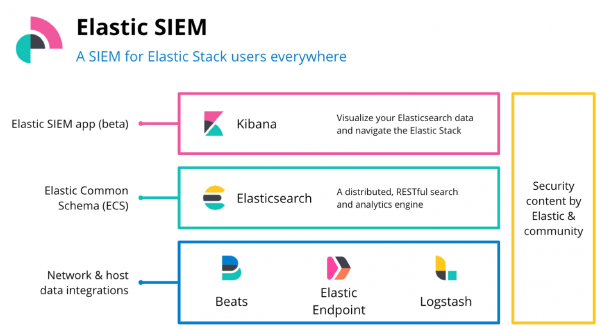
I have a small problem at hand which girdles around learning Angular, with a Spring enabled Rest endpoints which uses a DB to store data and have security layer in between that should interact with a…