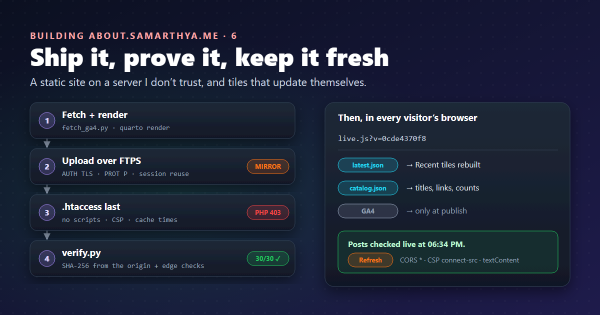
Publishing a static site to a once-hacked host: FTPS with TLS session reuse, a mirror that deletes what it didn't upload, a hash check of what the server really serves, an .htaccess that runs nothing, and a small script that keeps the tiles fresh without a republish.
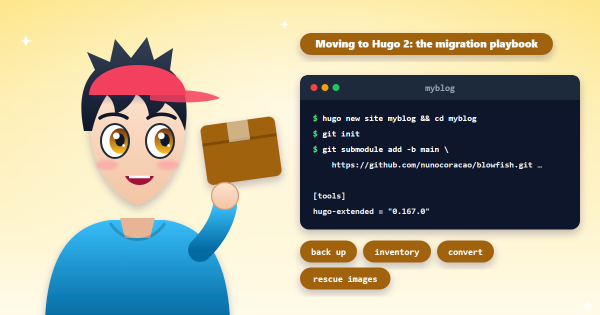
A step-by-step guide to moving a WordPress blog to Hugo: back up, inventory, convert with a script, rescue images, keep every link, then go live.
Converting 137 WordPress posts to Markdown, recovering lost images from backups, and keeping every old link alive.
In the rapidly evolving landscape of data science and scientific publishing, tools that bridge the gap between analysis and communication are invaluable.
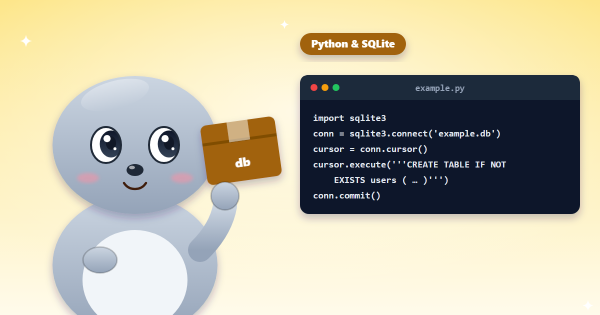
Here’s a comprehensive guide on using Python 3 with SQLite3.
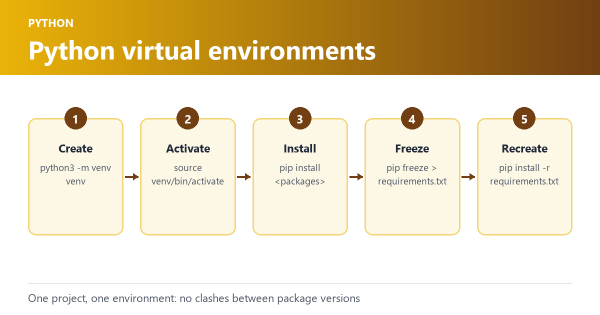
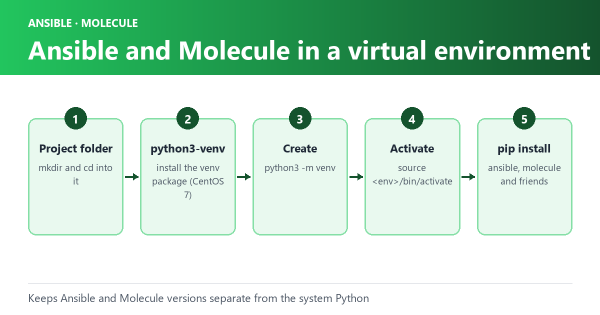
Continuing from the blog, Virtual environments are isolated Python environments that allow you to manage dependencies separately for each project, providing a controlled and reproducible environment…
Ansible and Molecule are popular tools for configuration management and testing in the world of DevOps.
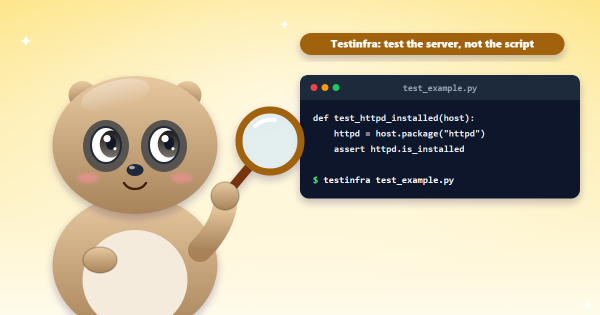
Testinfra is a Python-based framework for infrastructure testing. It allows you to write tests for your infrastructure and verify that everything is working as expected.
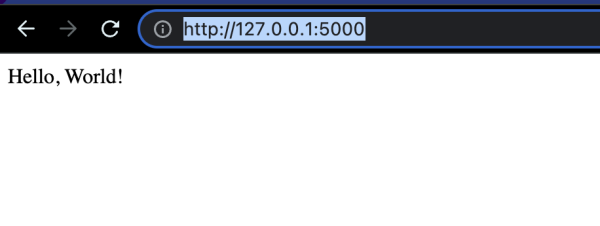
Building a simple hello world using Flask. (The code is available here)
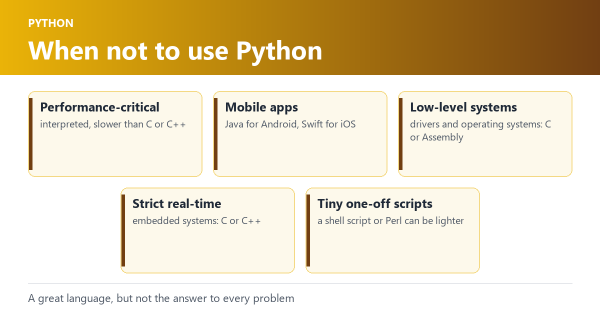
Python is a versatile and widely-used programming language, but there are certain scenarios when it may not be the best choice. Here are some examples of when not to use Python:
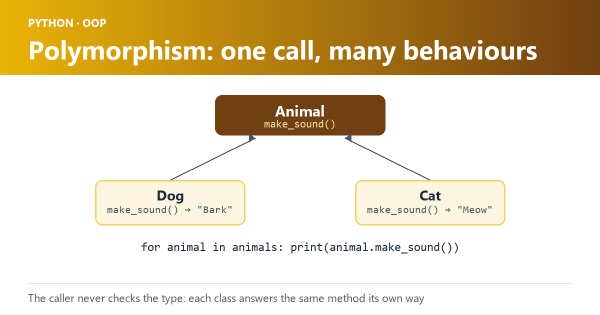
Polymorphism is a key feature of Object Oriented Programming that allows objects of different classes to be treated as objects of a common class.
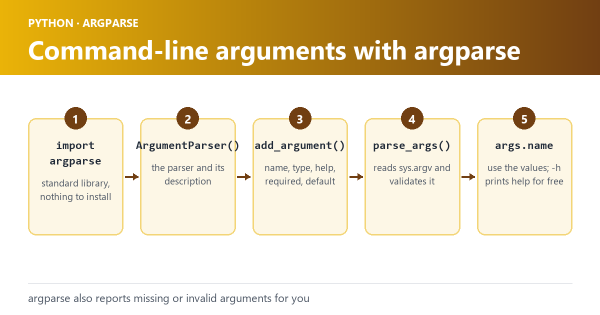
The argparse module is a powerful tool for parsing command line arguments in Python.
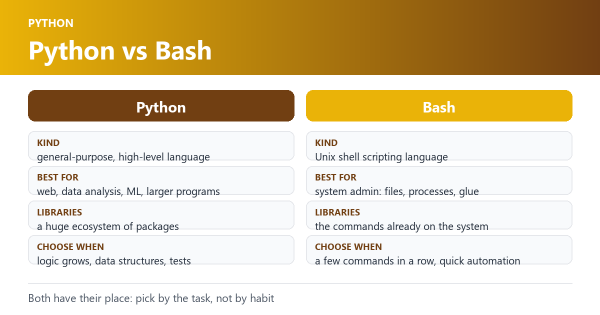
Python and bash are both programming languages, but they have different purposes and use cases.
Python is a high-level programming language that is widely used for web development, machine learning, scientific computing and more.
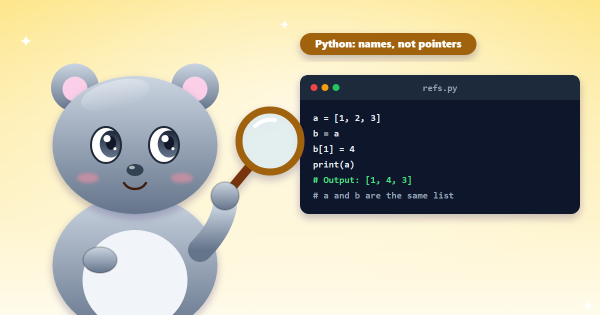
In Python, there are no explicit pointers like in some other programming languages. In python everything is an object and references to objects are stored in variables.
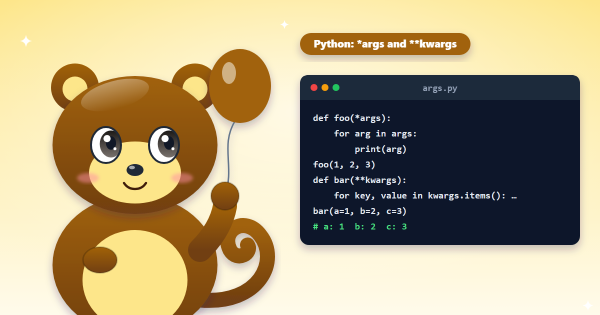
In Python, you can define a function with a variable number of arguments using the and syntax in the function definition.
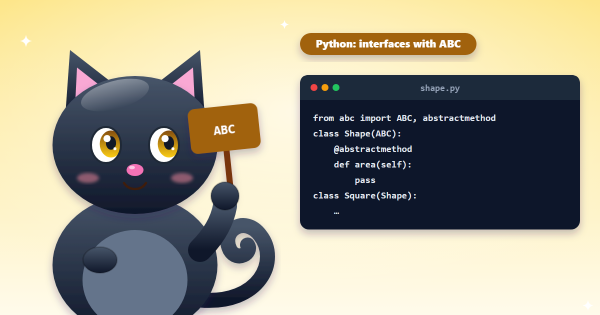
n Python, unlike some other programming languages, there is no explicit syntax for defining interfaces.
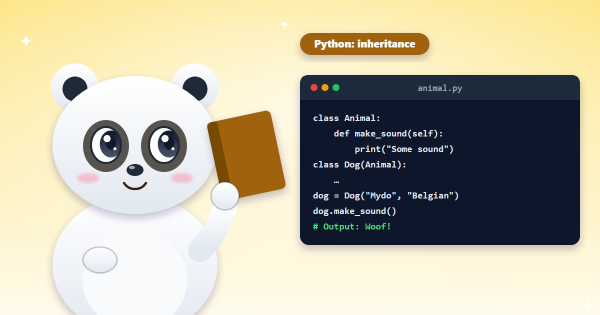
Inheritance is a mechanism in object-oriented programming (OOP) that allows you to create new classes that are derived from existing classes.
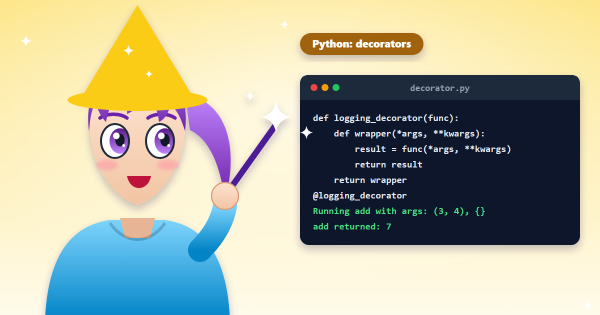
Let’s learn about decorators @iamdecorator
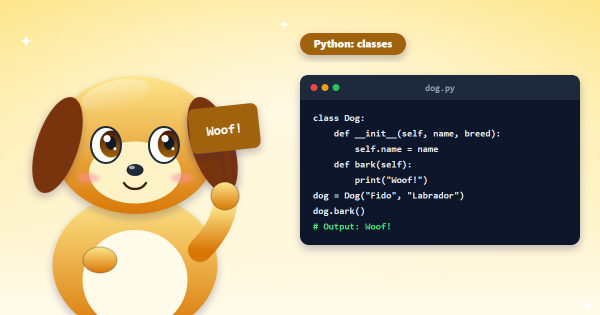
Learning to write Python code? A Python class is a blueprint for creating objects.