Day-to-day life after the move: writing and publishing a post, updating the theme and Hugo safely, extending the site, and the gotchas that cost me an evening each.
DNS moved to Cloudflare, mail kept working, and samarthya.me now serves the new site over HTTPS.
DNS to Cloudflare, the website to GitHub Pages, email left where it was, and the traps in between.
Hugo, Blowfish and GitHub Pages: a portal homepage, topics that sort themselves, and accessibility measured rather than guessed.
137 posts moved to a static Hugo site, 126 images recovered from an old backup, old links kept alive.
A small project layout for turning a working Ansible playbook into reusable roles without losing clarity.
A practical guide to Ansible's built-in context variables, including hostvars, groups, inventory_hostname, and facts.
Every project has a story, and in the world of software development, that story is often told through commit logs.
IaC stands for Infrastructure as Code.
How ansible.cfg, inventory settings, and environment variables fit together in a manageable project.
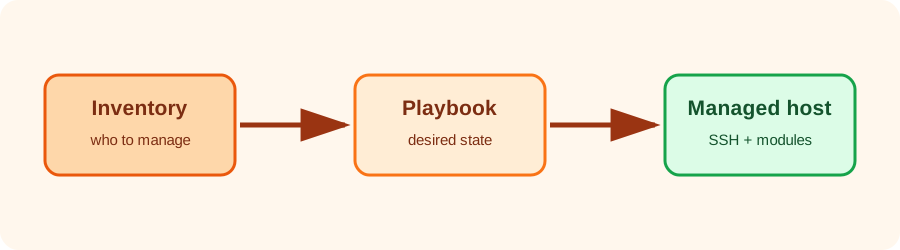
A gentle introduction to Ansible inventory, ad-hoc commands, and the first repeatable playbook.
Consul is an open-source software tool developed by HashiCorp, designed to provide a distributed system for configuration management, service discovery, and health checking of services in a modern…
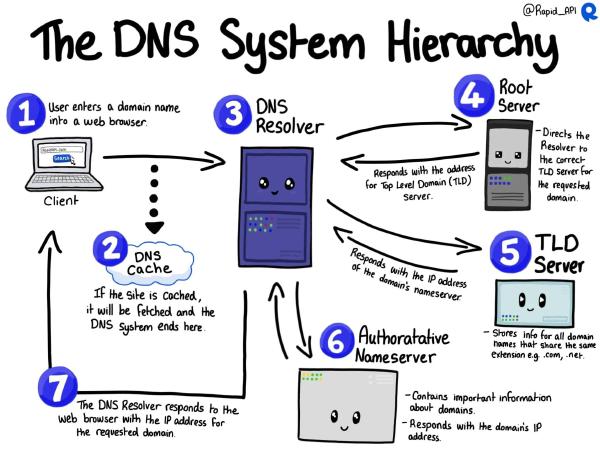
DNS (Domain Name System) is a hierarchical and decentralized naming system that is used to translate human-readable domain names (such as google.com) into IP addresses that can be understood by…
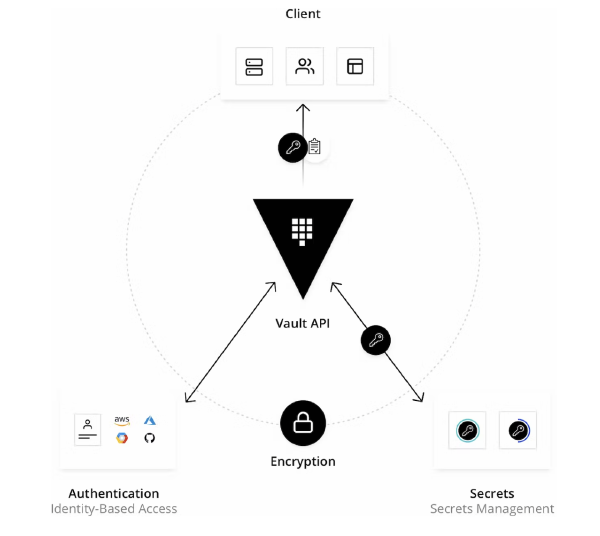
“HashiCorp Vault is an identity-based secrets and encryption management system.”
So there are many things I have been simultaneously trying to learn & one of those is to learn how you can configure a pipeline
IaC tools like Terraform allows one to manage infrastructure with configuration files rather than through a graphical user interface.
I have written a series of blogs to capture how you can deploy spinnaker on a Kubernetes cluster & manage a helm chart deployment via pipeline.
In this blog let’s try add a helm account and enable for use in the pipelines
You will need a valid docker registry before you add any trigger in the pipeline in Spinnaker
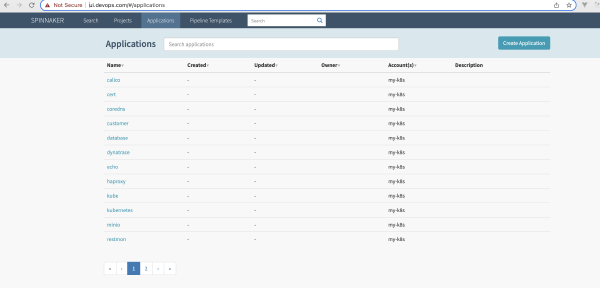
Spinnaker is an open-source continuous delivery platform which provides two core set of features
Application Management Application deployment Applications , clusters , and server groups are the key concepts Spinnaker uses to describe your services. Key Concepts # Some of the key concepts in the spinnaker universe are covered as under
Having used SCM plugins for quite sometime, I thought - WHY I have never used them to clone a repository and while I employ the personal access token (NOW)- The weapon of choice, I have never tried it myself.
The only advice I can give to folks who are building helm charts from scratch, is always keep it incremental and do not try to do everything at one go. At least build a decent few before you even try to attempt such a thing, else you will only end up WASTING your precious time on trivial issues which could have been avoided by incremental build, rather than the big bang approach.
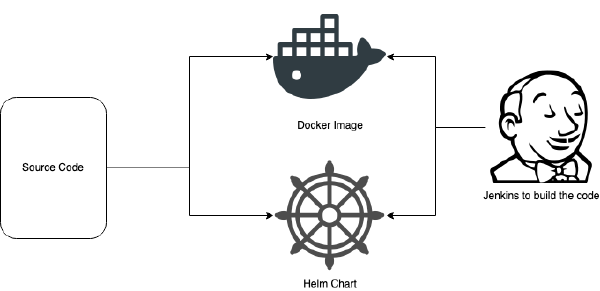
Everything starts form a single source file and as the time goes by, it gradually transforms into multiple modules, bulky source files and a source control repository. Mostly by this time the team has already adopted a a build tool, and a repository to publish the versioned artifacts. Journey is similar for every project successful or not.