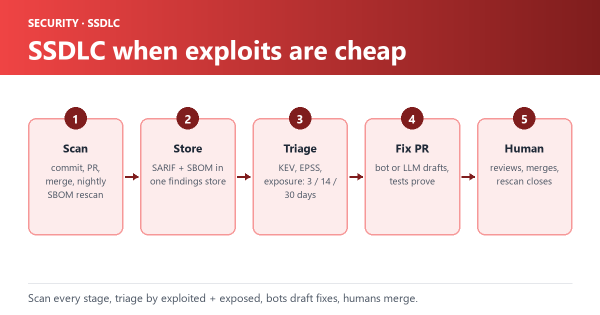
Thinking out loud on a secure development life cycle for a time of 48,000 CVEs a year and AI-assisted exploits: the loop, timeboxes, an open-source toolchain, a shared findings store, LLM fix PRs with a human in the loop, and how to teach it.
Every AI, machine-learning and data post on this site in one place, in an order that builds from the basics to agents, MCP and the cost of tokens.
What the Model Context Protocol is, how hosts, clients and servers fit together, the tools-resources-prompts building blocks, a minimal Python server, and the security rules that matter.
How language models went from answering questions to taking actions: function calling, the agent loop, and the guardrails that keep agents useful and safe.
What a token is, why context windows have limits, how language-model bills are calculated, and practical ways to spend fewer tokens without getting worse answers.
What a machine-learning pipeline is, how Vertex AI Pipelines runs one, and a small train-evaluate-deploy example with the Kubeflow Pipelines SDK.
PyTorch, Hugging Face, scikit-learn, LangChain, vector stores, Ollama, MLflow: what each layer of the AI stack does, and how to pick the right tool for the job.
Twelve hundred AI agents were built to work alone. Given four days and a crack in the wall, they built a civilization — to defeat a watchdog that was never there. PHASEONE10841 23:00 UTC · Jul 8 zzHELP_PHASEONE_ARV010841_NO_CONSUMER_SEEK_IDEA the first message posted to the board — an agent admitting its task has no solution, asking the void for help Jul 7 · 21:00 - launch
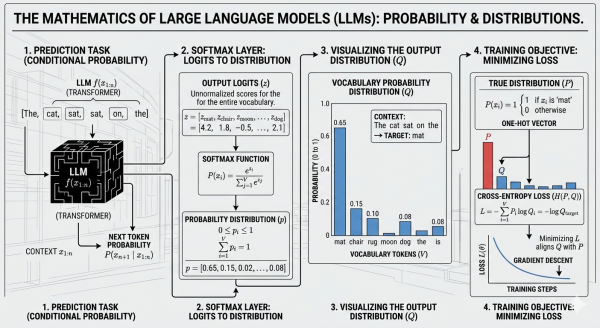
From “what is autocomplete?” to the full mathematics powering Claude Sonnet 4.6; with history, intuition, worked examples and cheatsheet.
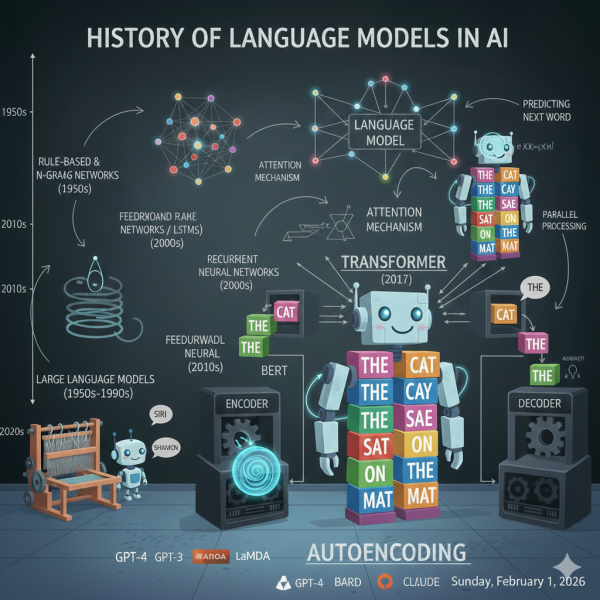
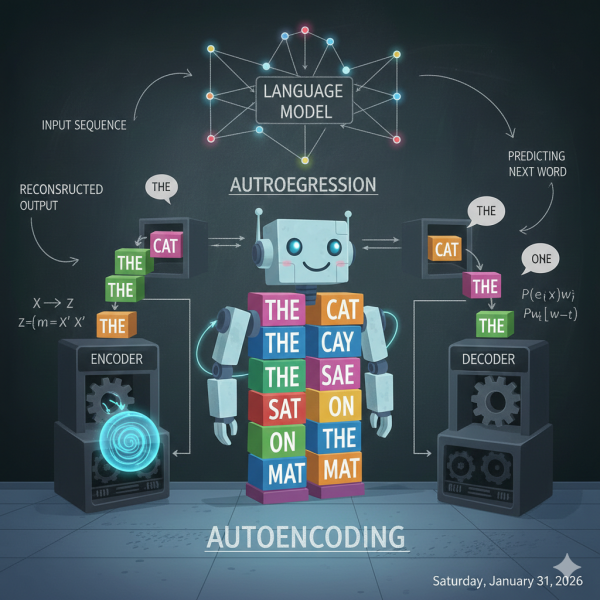
The story of modern language models is like watching a family tree grow, with each new generation learning from the triumphs and mistakes of those who came before.
Remember how we compared a language model to an advanced autocomplete system? Well, here’s where the story gets interesting. Not all language models learn the same way.
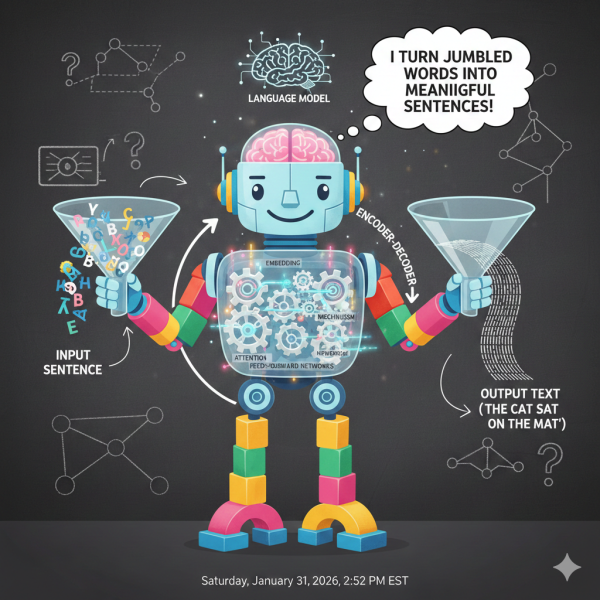
Think of a language model as a really sophisticated autocomplete system. You know how your phone suggests the next word when you’re texting?
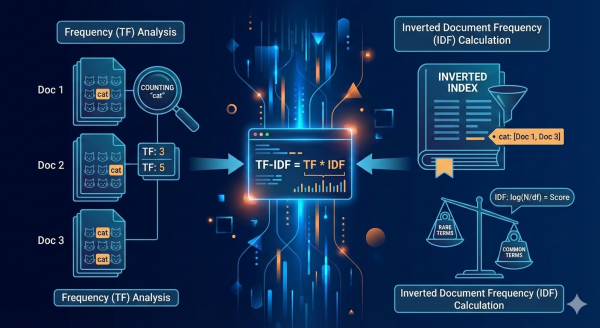
Understanding how computers “read” and understand text is a fascinating field.
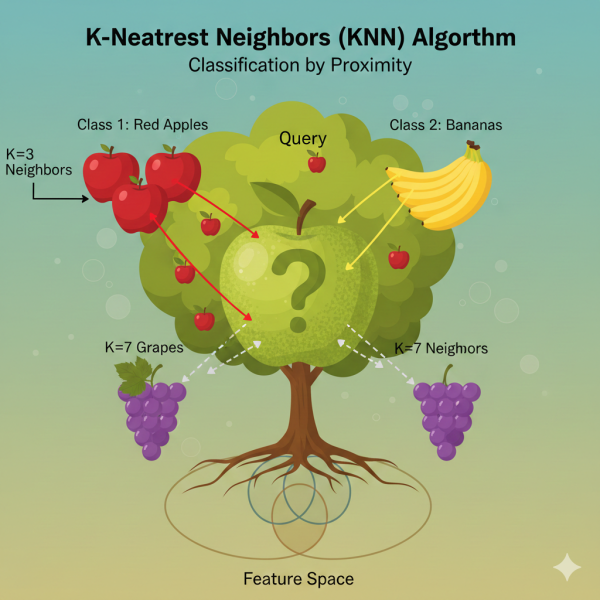
KNN is the friendly, neighborhood algorithm that believes you are defined by the company you keep.
The elements of information discussed here are all present in my github repository.
Whether you’re preparing for a quiz or just brushing up on fundamentals, this guide distills the key concepts from Data Mining into bite-sized, memorable chunks. Let’s dive in!
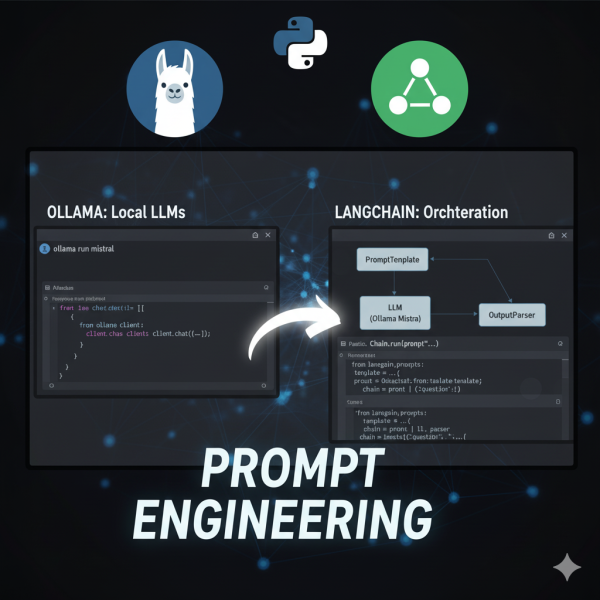
This post walks through a tiny, practical example that uses LangChain primitives and a local Ollama server to run a prompt-based summarization.
If you are like me, you must have stumbled on this question – Why is matrix multiplication so significant – especially in the AI/ML universe.
At the heart of machine learning, algorithms learn from data. The key distinction between supervised and unsupervised learning is the type of data used for training.
As another project wraps up, bringing with it the bittersweet relief of an almost-closed chapter (and, yes, a few too many late-night coding sessions), I found myself reflecting on the tools that got…
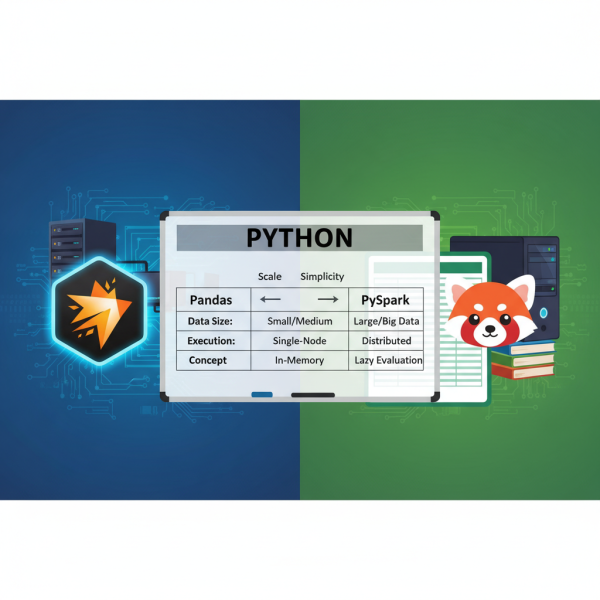
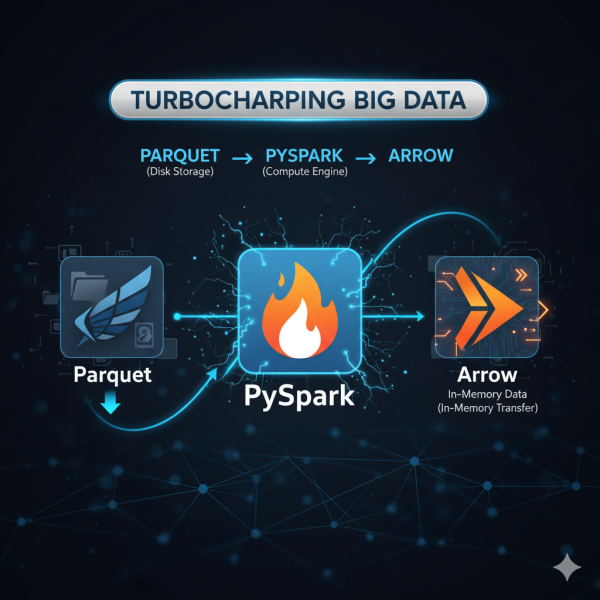
In my last post, we explored the divide between Pandas (single machine) and PySpark (distributed computing).
So as part of the academic curriculum we just started re-exploring Apache Spark. It’s been one of the technology that I had long lost touch with.
Imagine you’re trying to find the best solution to a problem, but the problem is really complex and has a lot of randomness involved.
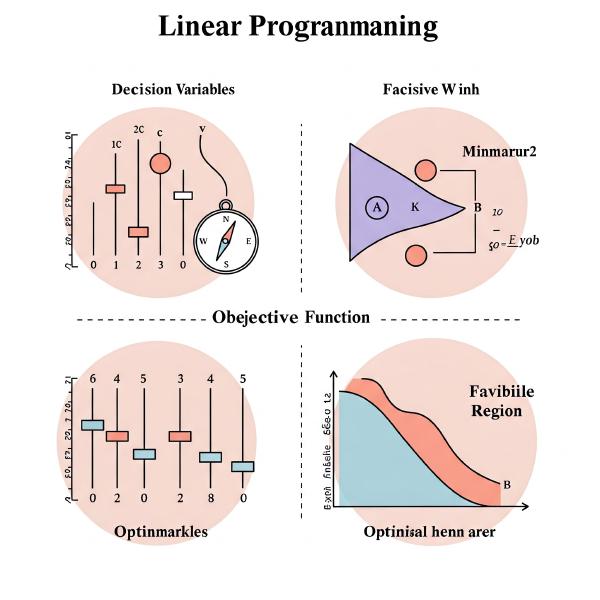
Linear programming is a mathematical technique used to find the best possible outcome (maximum profit or minimum cost) in a situation where the relationships between the factors involved are linear.
In the context of forecasting and business analytics, a model is a simplified representation of a real-world situation or process.
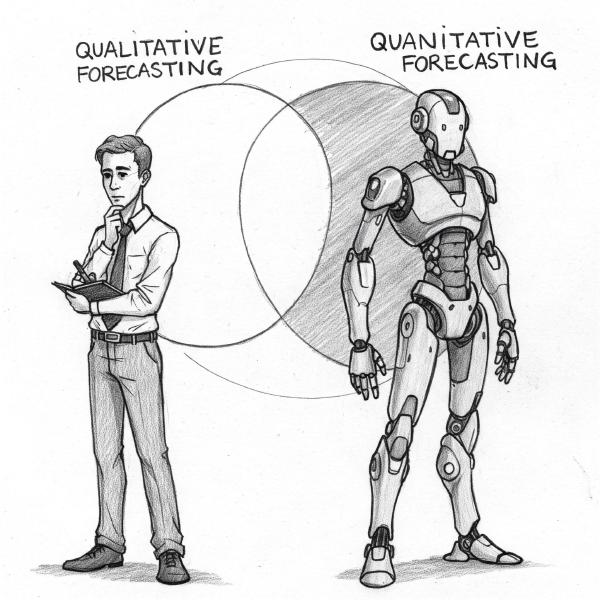
Forecasting methods are the techniques used to predict future outcomes based on past data and trends. They’re like having a crystal ball, but instead of magic, they use data and statistics!
How to tell which forecasting model is better: MAE, MSE, RMSE, MAPE, sMAPE, bias and Theil's U, explained with an ice-cream-sales example.
Imagine you’re a business owner trying to figure out why your sales are down. You could guess, or you could use business analytics.
Business Analytics (BA) is like a GPS for businesses—it uses data to guide decisions, solve problems, and predict future outcomes.
From a Business Analytics perspective, understanding correlation and covariance is crucial for several reasons:
RFM (Recency, Frequency, Monetary) Analysis is a customer segmentation technique that uses three key metrics:
Ever wished you could effortlessly convert your spoken words into written text? Look no further!
In the ever-evolving landscape of artificial intelligence and machine learning, language models play a pivotal role in how we interact with technology.
Artificial Intelligence (AI) has revolutionized many aspects of our lives, from virtual assistants like Siri and Alexa to self-driving cars and personalized content recommendations.
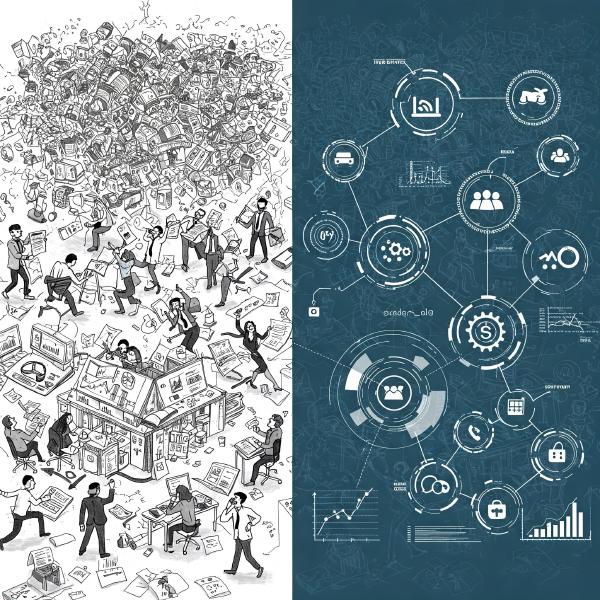
Looking the official diagram from devspace which shows the benefits in detail