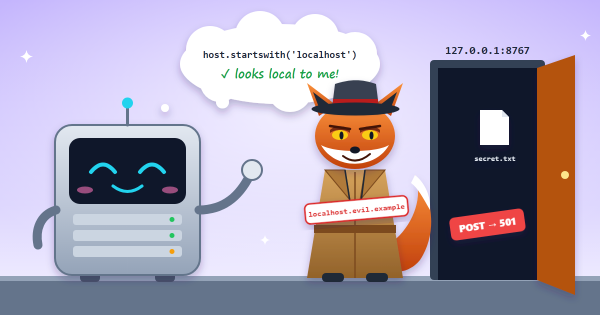
The generated duplicate finder's local web page binds to 127.0.0.1, which is right, then checks the Host header by its first letters, serves every file in the folder it starts in, and cannot save a plan. Probes, the DNS rebinding risk, and the fix.
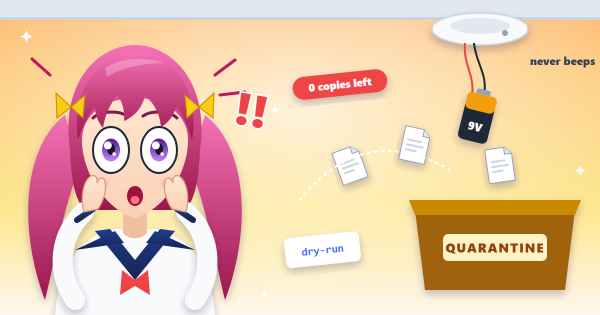
The generated cleaner is harmless only because a date comparison can never be true. Fix that one line and its dry-run moves files, the last copy of a file disappears, and protected files are removed. Plus the test that would have caught it.
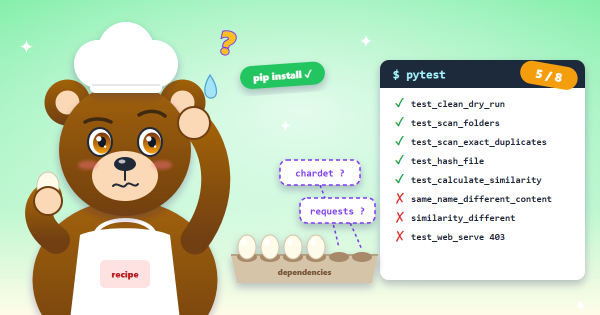
The generated duplicate finder installs cleanly, but its own test suite cannot even start: two undeclared imports. Once they are added, 5 of 8 tests pass, and each of the 3 failures teaches something different.
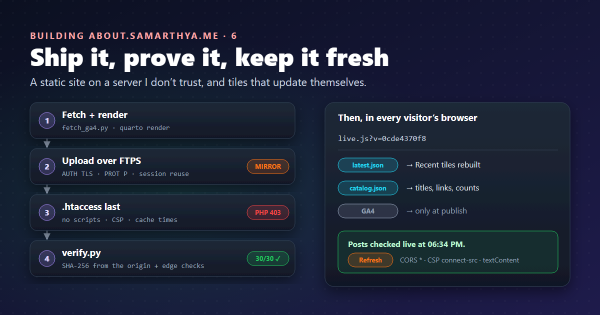
Publishing a static site to a once-hacked host: FTPS with TLS session reuse, a mirror that deletes what it didn't upload, a hash check of what the server really serves, an .htaccess that runs nothing, and a small script that keeps the tiles fresh without a republish.
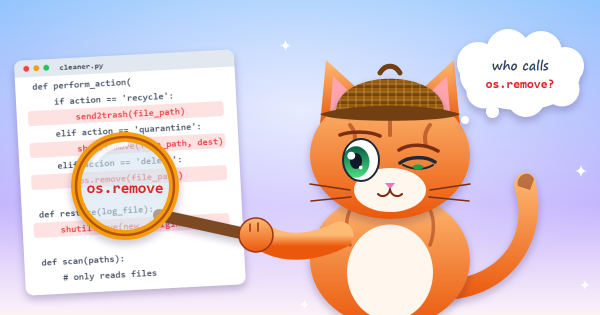
A local 30B model wrote me a duplicate-file finder that can delete files. Before running a single line, I extracted it safely, found every call that can delete or move a file, and traced who can reach them.
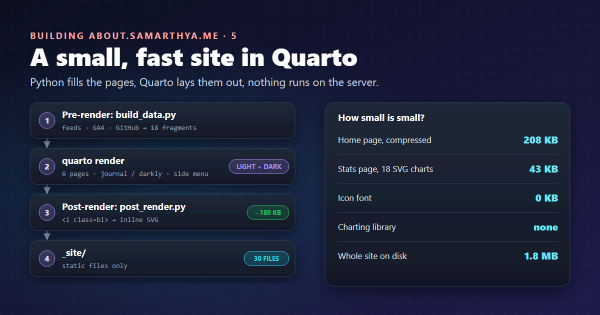
How the hub is built: a Quarto website whose pages are filled by a Python pre-render step, a side menu, light and dark themes, inline SVG icons instead of an icon font, and charts drawn at build time.
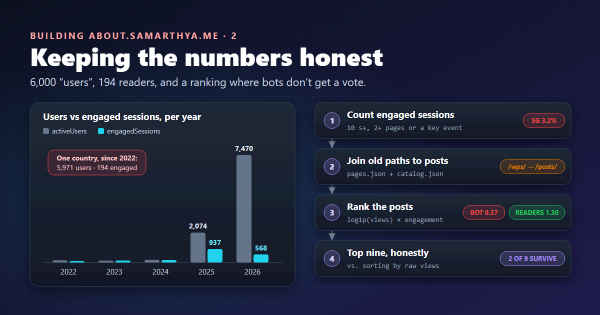
What my stats page would have claimed without filtering (58% of readers in Singapore, a top nine with nothing new in it) and the engaged-session counting and ranking that fixed it.
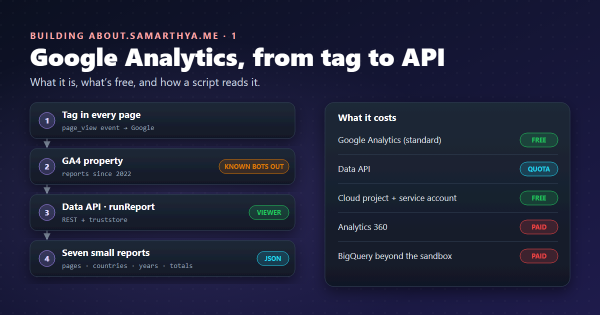
What Google Analytics is and why this blog uses it, what is free and what is not, and how to read your own numbers from a script with a read-only service account.
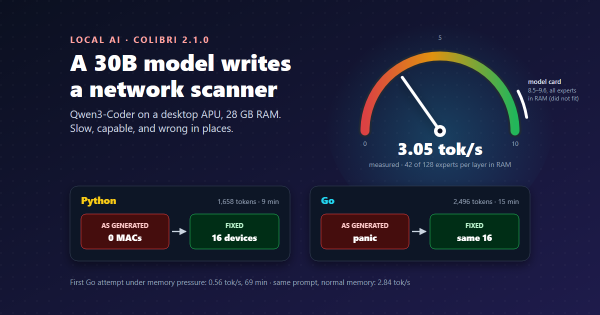
I gave Qwen3-Coder 30B, running locally through Colibri on a desktop APU, a standard task: a network scanner in Python and in Go. How fast it was, what memory did to that speed, what the code got wrong, and whether I would use it again.
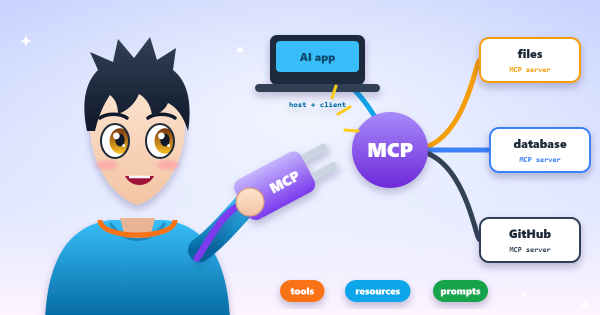
What the Model Context Protocol is, how hosts, clients and servers fit together, the tools-resources-prompts building blocks, a minimal Python server, and the security rules that matter.
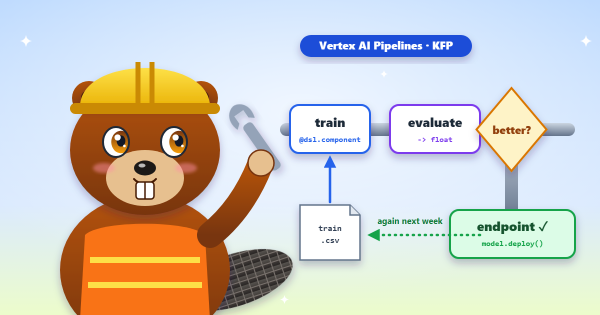
What a machine-learning pipeline is, how Vertex AI Pipelines runs one, and a small train-evaluate-deploy example with the Kubeflow Pipelines SDK.
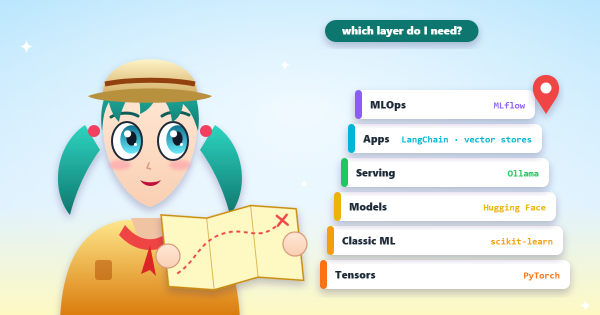
PyTorch, Hugging Face, scikit-learn, LangChain, vector stores, Ollama, MLflow: what each layer of the AI stack does, and how to pick the right tool for the job.
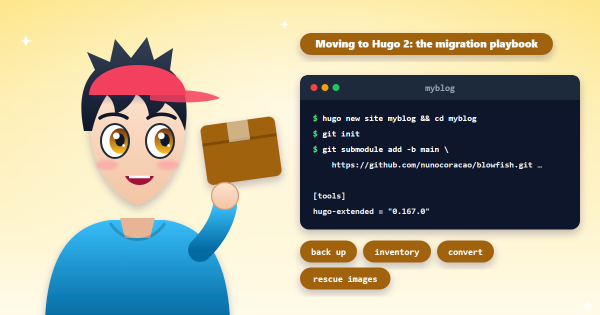
A step-by-step guide to moving a WordPress blog to Hugo: back up, inventory, convert with a script, rescue images, keep every link, then go live.
Converting 137 WordPress posts to Markdown, recovering lost images from backups, and keeping every old link alive.
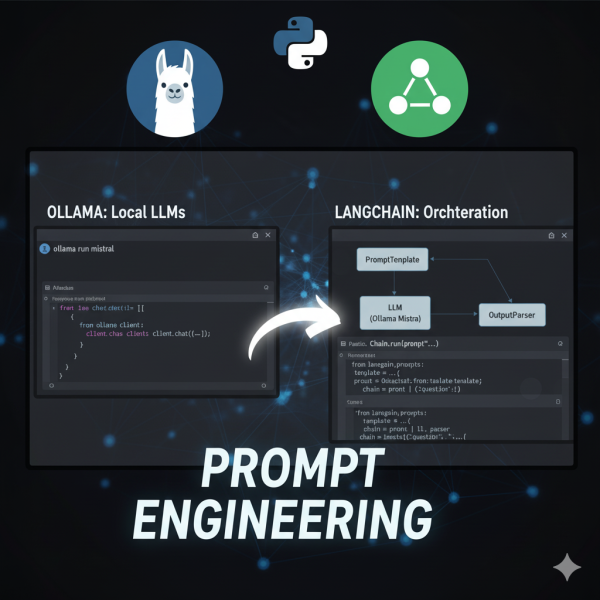
This post walks through a tiny, practical example that uses LangChain primitives and a local Ollama server to run a prompt-based summarization.
As another project wraps up, bringing with it the bittersweet relief of an almost-closed chapter (and, yes, a few too many late-night coding sessions), I found myself reflecting on the tools that got…
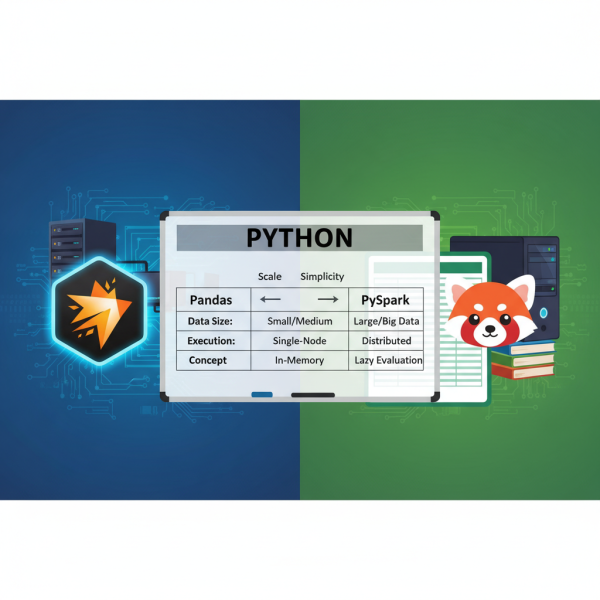
In my last post, we explored the divide between Pandas (single machine) and PySpark (distributed computing).
In the rapidly evolving landscape of data science and scientific publishing, tools that bridge the gap between analysis and communication are invaluable.
Ever wished you could effortlessly convert your spoken words into written text? Look no further!
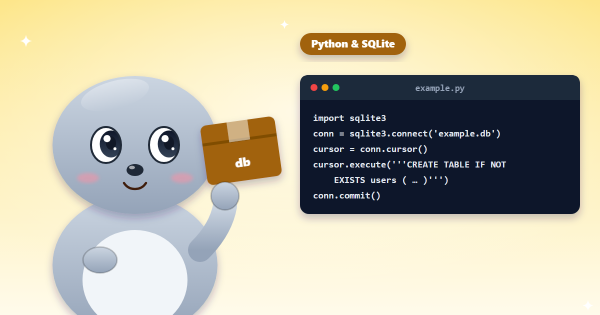
Here’s a comprehensive guide on using Python 3 with SQLite3.
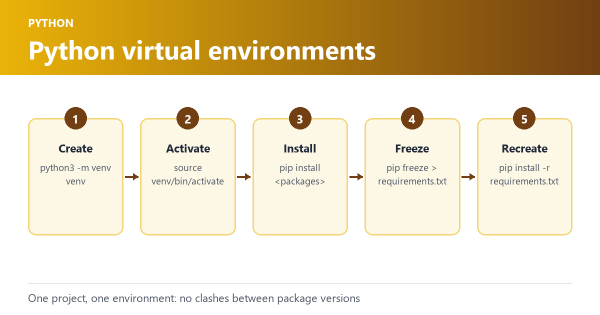
Continuing from the blog, Virtual environments are isolated Python environments that allow you to manage dependencies separately for each project, providing a controlled and reproducible environment…
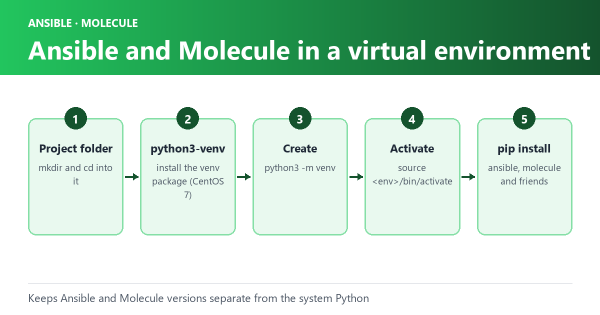
Ansible and Molecule are popular tools for configuration management and testing in the world of DevOps.
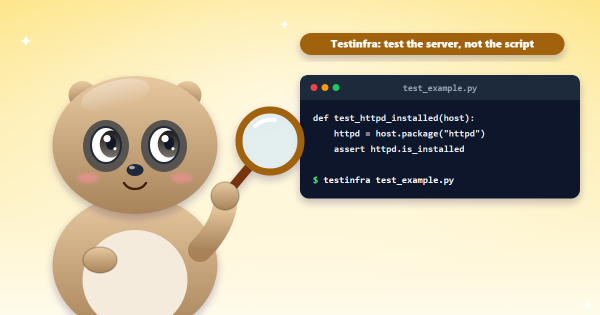
Testinfra is a Python-based framework for infrastructure testing. It allows you to write tests for your infrastructure and verify that everything is working as expected.
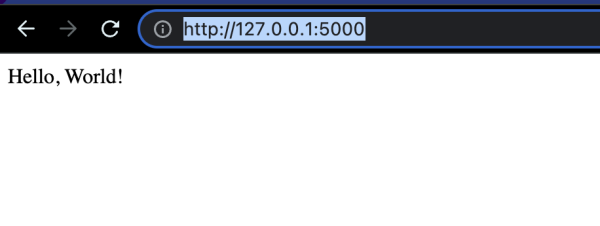
Building a simple hello world using Flask. (The code is available here)
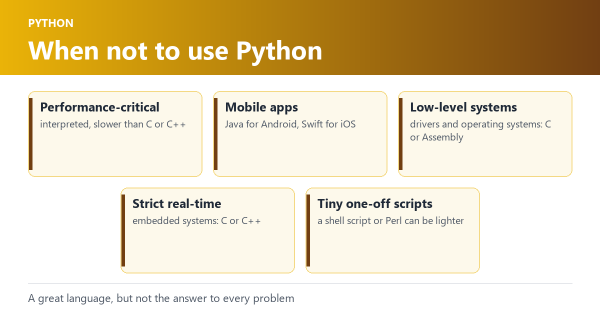
Python is a versatile and widely-used programming language, but there are certain scenarios when it may not be the best choice. Here are some examples of when not to use Python:
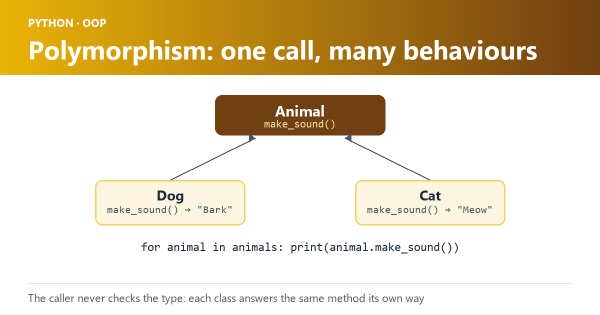
Polymorphism is a key feature of Object Oriented Programming that allows objects of different classes to be treated as objects of a common class.
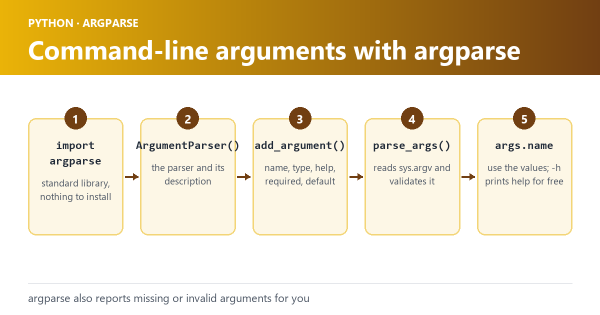
The argparse module is a powerful tool for parsing command line arguments in Python.
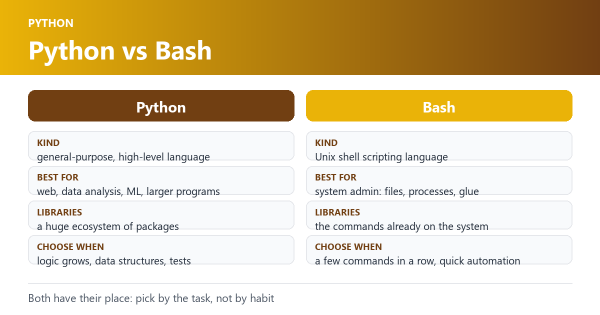
Python and bash are both programming languages, but they have different purposes and use cases.
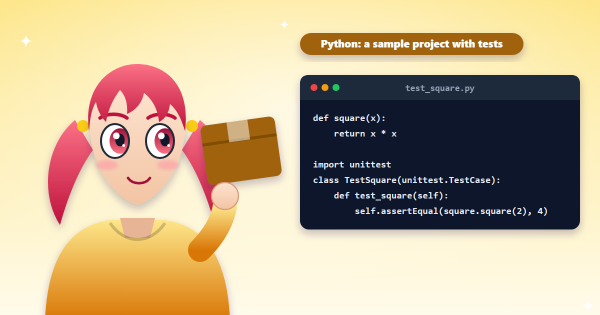
Python is a high-level programming language that is widely used for web development, machine learning, scientific computing and more.
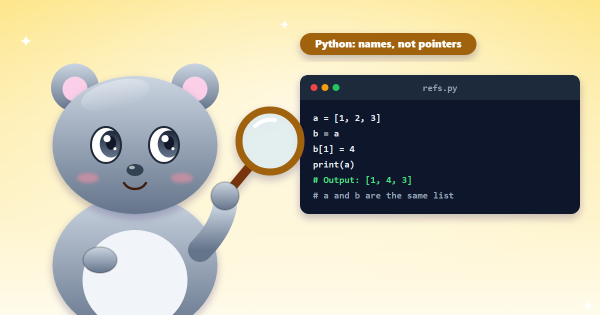
In Python, there are no explicit pointers like in some other programming languages. In python everything is an object and references to objects are stored in variables.
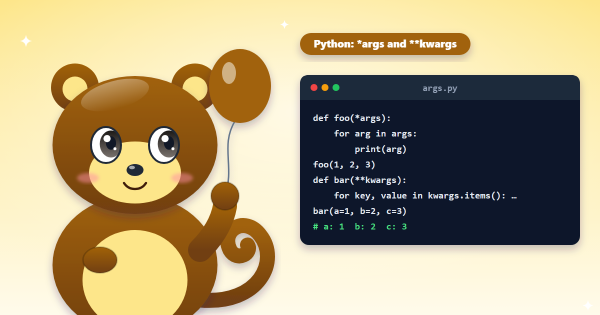
In Python, you can define a function with a variable number of arguments using the and syntax in the function definition.
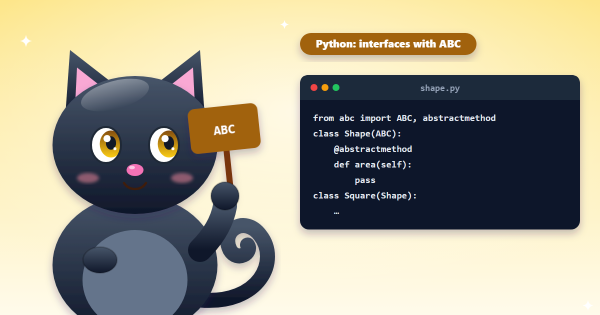
n Python, unlike some other programming languages, there is no explicit syntax for defining interfaces.
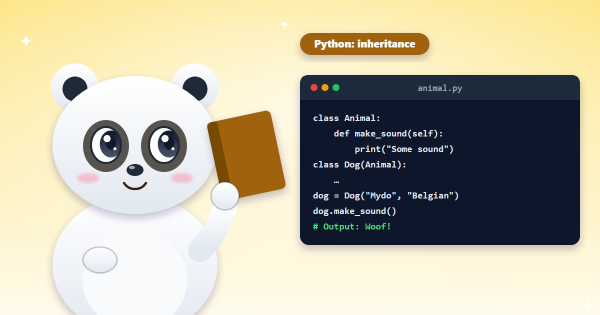
Inheritance is a mechanism in object-oriented programming (OOP) that allows you to create new classes that are derived from existing classes.
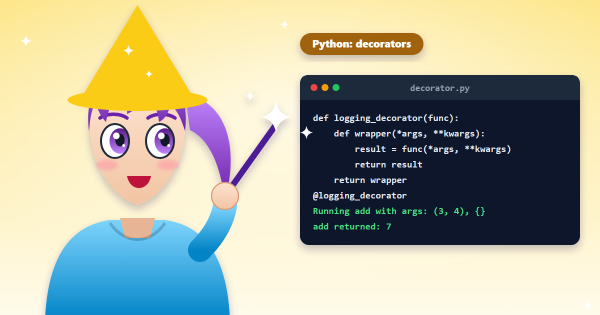
Let’s learn about decorators @iamdecorator
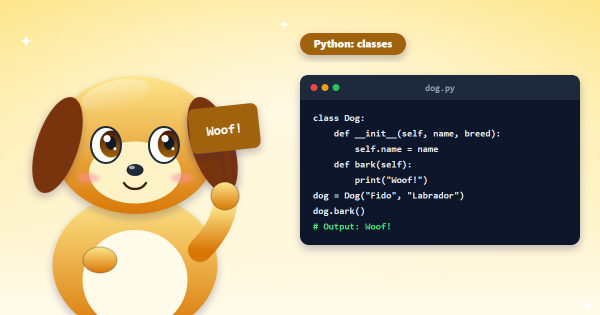
Learning to write Python code? A Python class is a blueprint for creating objects.