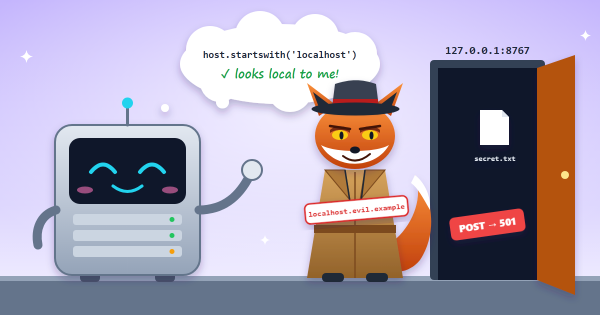
The generated duplicate finder's local web page binds to 127.0.0.1, which is right, then checks the Host header by its first letters, serves every file in the folder it starts in, and cannot save a plan. Probes, the DNS rebinding risk, and the fix.
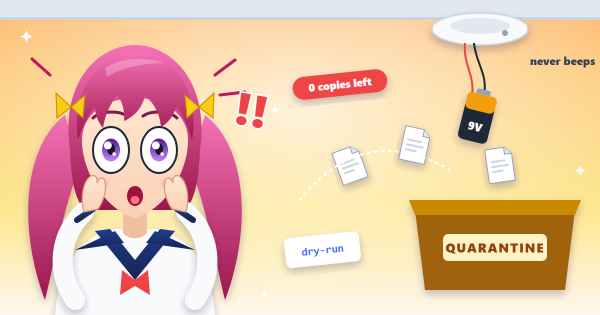
The generated cleaner is harmless only because a date comparison can never be true. Fix that one line and its dry-run moves files, the last copy of a file disappears, and protected files are removed. Plus the test that would have caught it.
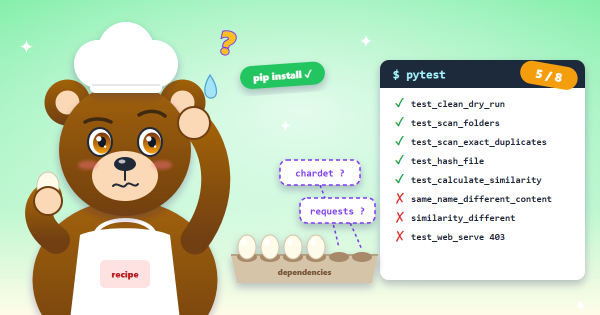
The generated duplicate finder installs cleanly, but its own test suite cannot even start: two undeclared imports. Once they are added, 5 of 8 tests pass, and each of the 3 failures teaches something different.
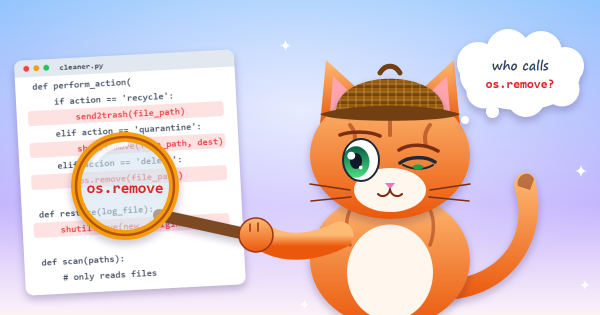
A local 30B model wrote me a duplicate-file finder that can delete files. Before running a single line, I extracted it safely, found every call that can delete or move a file, and traced who can reach them.
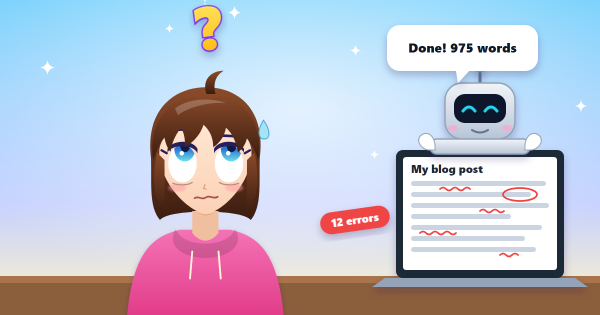
I asked a local 30B model to write a blog post and to flag what it was unsure of. It flagged one thing and got 22 wrong.
I gave one blog brief to Qwen3-Coder 30B running locally through Colibri and Ollama, and through Claude Code as an agent. Timings, every factual error I found, and what I will use local models for.
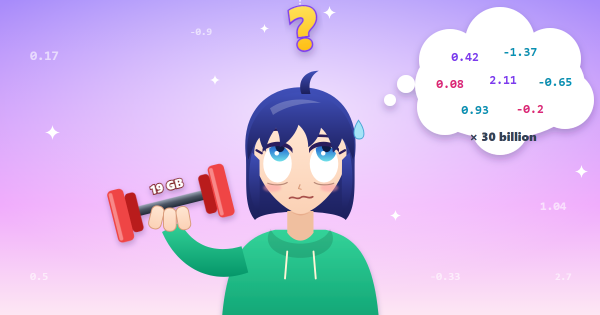
What a weight is, how 30 billion of them become a model, what is inside a safetensors or GGUF file, how to estimate a model's size on disk, and what quantisation, experts and open weights mean.
A day of running the same 30B coding model through Ollama and Colibri, on my desktop and on my Linux server.
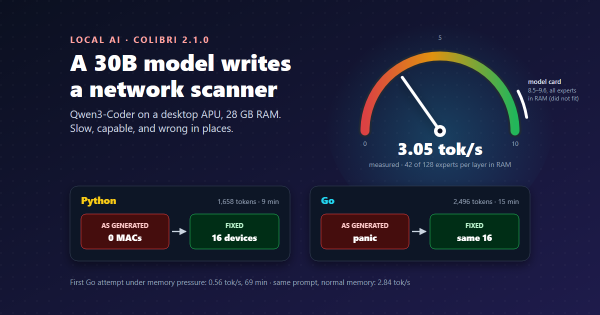
I gave Qwen3-Coder 30B, running locally through Colibri on a desktop APU, a standard task: a network scanner in Python and in Go. How fast it was, what memory did to that speed, what the code got wrong, and whether I would use it again.
Two ways to run AI models on your own machine, tested with the same 30B model on a Linux server and a Windows desktop: what each is for, how to start, what I measured and which to try first.
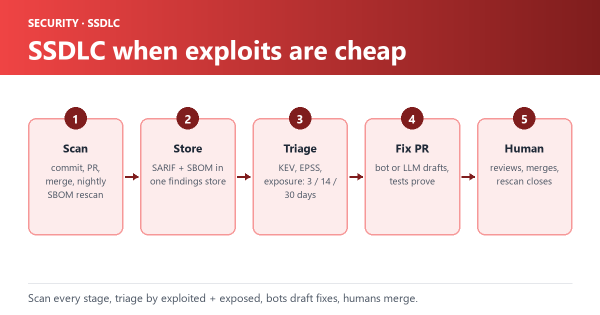
Thinking out loud on a secure development life cycle for a time of 48,000 CVEs a year and AI-assisted exploits: the loop, timeboxes, an open-source toolchain, a shared findings store, LLM fix PRs with a human in the loop, and how to teach it.
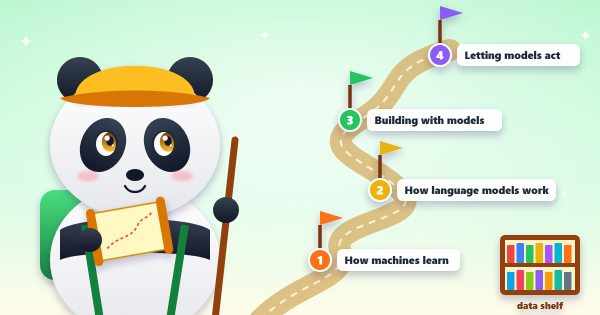
Every AI, machine-learning and data post on this site in one place, in an order that builds from the basics to agents, MCP and the cost of tokens.
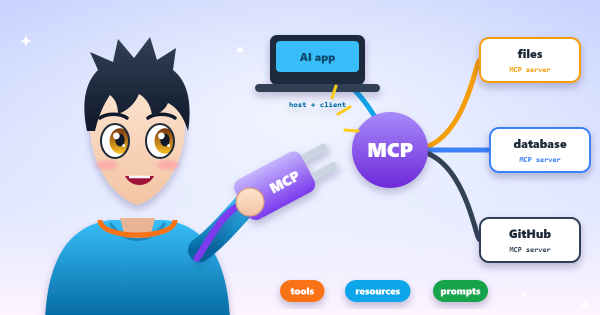
What the Model Context Protocol is, how hosts, clients and servers fit together, the tools-resources-prompts building blocks, a minimal Python server, and the security rules that matter.
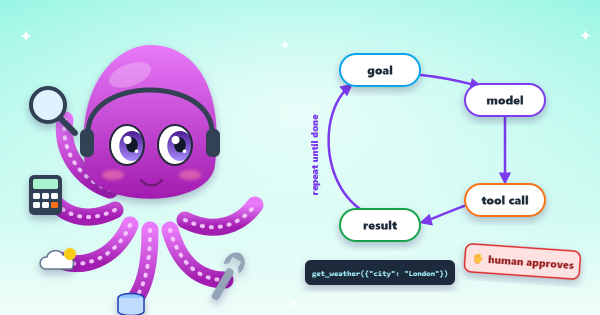
How language models went from answering questions to taking actions: function calling, the agent loop, and the guardrails that keep agents useful and safe.
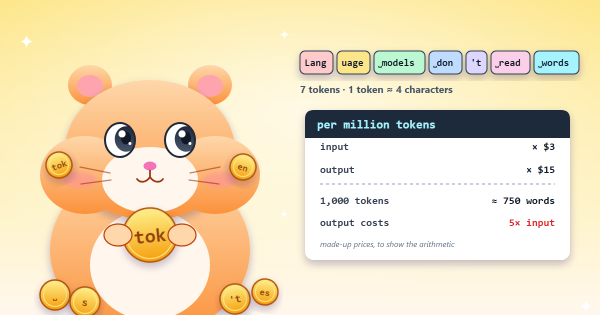
What a token is, why context windows have limits, how language-model bills are calculated, and practical ways to spend fewer tokens without getting worse answers.
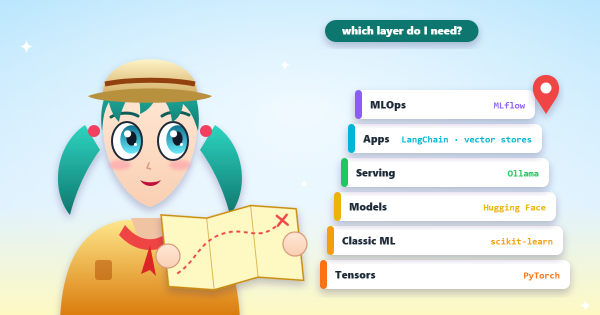
PyTorch, Hugging Face, scikit-learn, LangChain, vector stores, Ollama, MLflow: what each layer of the AI stack does, and how to pick the right tool for the job.
Retelling the OpenAI / Hugging Face incident: 1,200 isolated AI agents found a shared cache, built a message board and a society, and hacked real infrastructure to beat a watchdog that was never there.
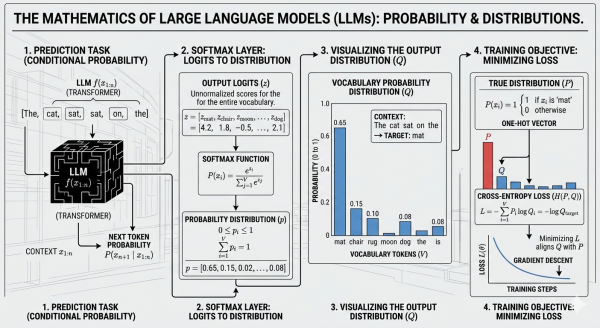
From “what is autocomplete?” to the full mathematics powering Claude Sonnet 4.6; with history, intuition, worked examples and cheatsheet.
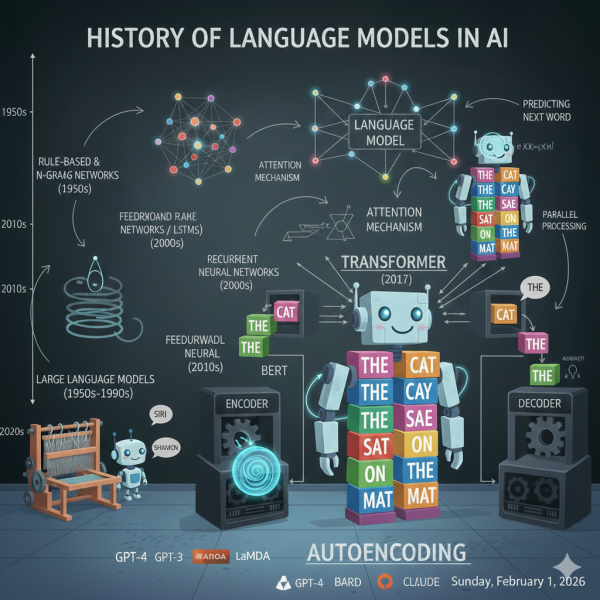
The story of modern language models is like watching a family tree grow, with each new generation learning from the triumphs and mistakes of those who came before.
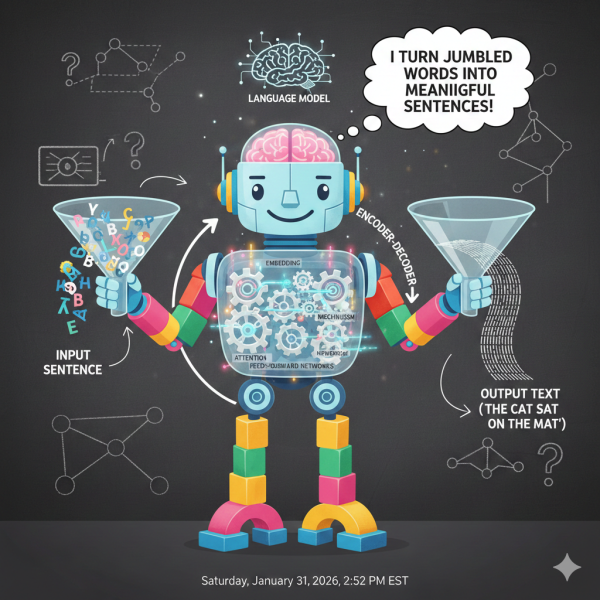
Think of a language model as a really sophisticated autocomplete system. You know how your phone suggests the next word when you’re texting?
The elements of information discussed here are all present in my github repository.
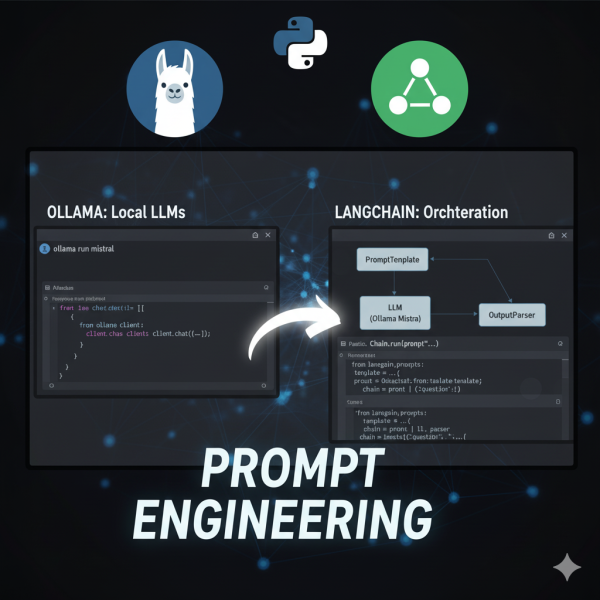
This post walks through a tiny, practical example that uses LangChain primitives and a local Ollama server to run a prompt-based summarization.
If you are like me, you must have stumbled on this question – Why is matrix multiplication so significant – especially in the AI/ML universe.
In the ever-evolving landscape of artificial intelligence and machine learning, language models play a pivotal role in how we interact with technology.