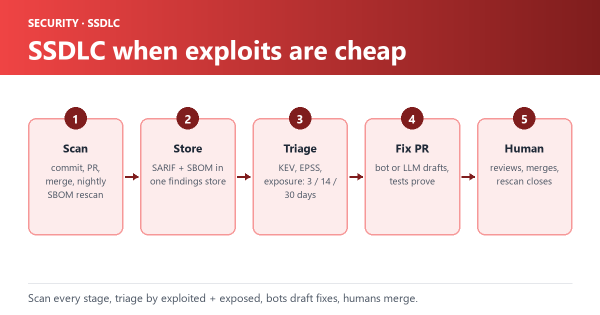
Thinking out loud on a secure development life cycle for a time of 48,000 CVEs a year and AI-assisted exploits: the loop, timeboxes, an open-source toolchain, a shared findings store, LLM fix PRs with a human in the loop, and how to teach it.
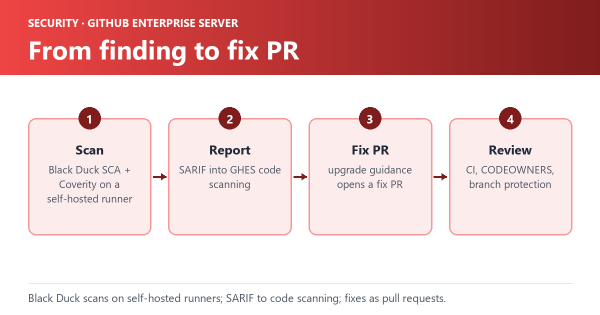
How to wire Black Duck scans into a self-hosted GitHub Enterprise Server so findings land in code scanning and fixes arrive as pull requests, plus a small script for tools that cannot open PRs themselves.
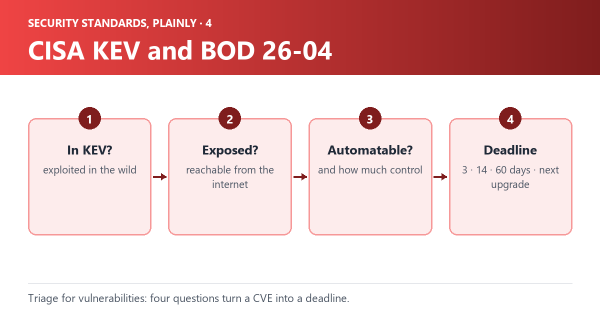
CISA's Known Exploited Vulnerabilities catalog and directive BOD 26-04 in plain words: what makes a CVE 'known exploited', the four questions that set a fix deadline, the 3-day to fix-on-upgrade timelines, and how to use both outside government.
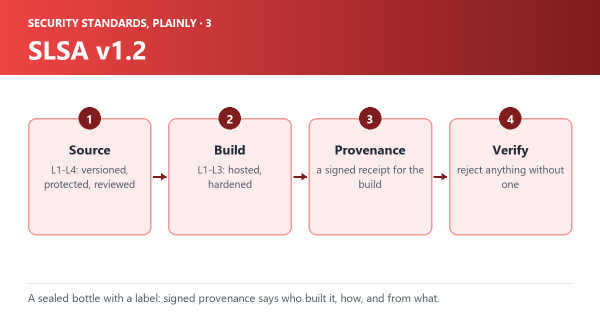
SLSA (Supply-chain Levels for Software Artifacts) in plain words: provenance as a receipt for a build, the Build and Source tracks and their levels, a two-step GitHub example, and what it protects against.
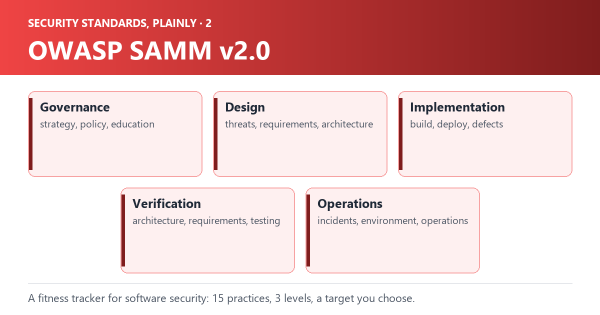
OWASP's Software Assurance Maturity Model in plain words: five business functions, fifteen practices, three maturity levels, how a self-assessment works, and why a score you choose beats a score you are given.
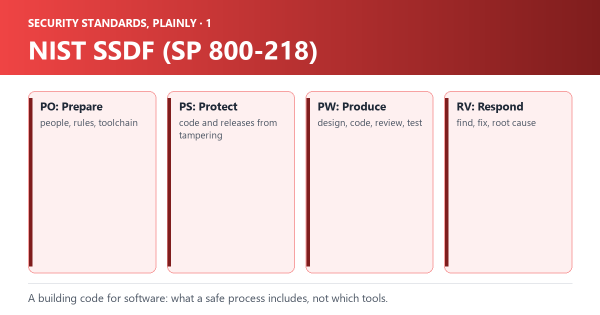
What NIST's Secure Software Development Framework is, its four groups of practices in plain words, what it asks of a team, why buyers care about it, and what it deliberately leaves out.
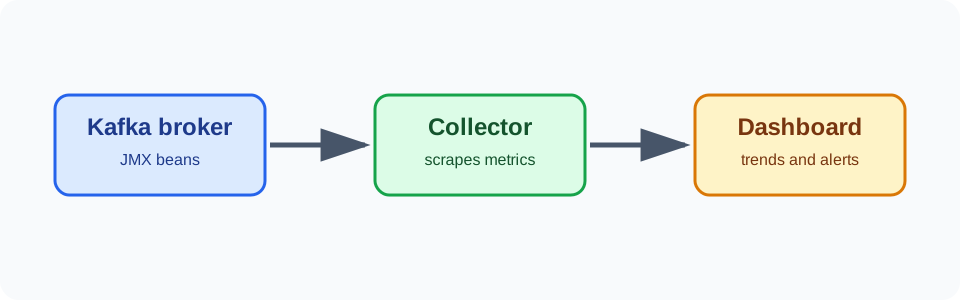
My first practical pass at Kafka JMX: enabling remote access safely and finding the measurements that explain cluster behavior.
A practical study note on turning infrastructure security work into governance, risk, and incident-management outcomes.
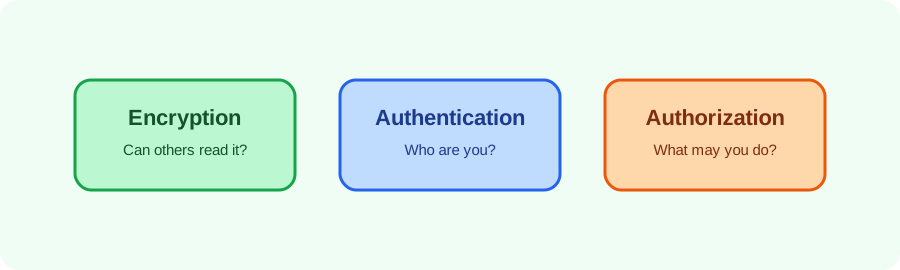
A security baseline for Kafka deployments: encrypt connections, authenticate clients, and authorize operations.
A practical introduction to how Kafka distributes records across brokers and why partition planning matters.
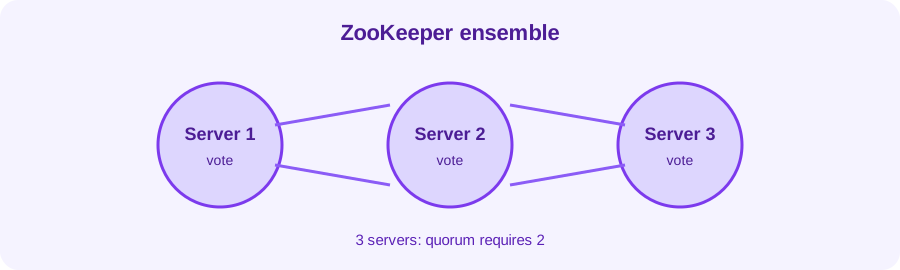
A simple mental model for ZooKeeper, znodes, sessions, and why Kafka historically used it for cluster coordination.
A small project layout for turning a working Ansible playbook into reusable roles without losing clarity.
A practical guide to Ansible's built-in context variables, including hostvars, groups, inventory_hostname, and facts.
How ansible.cfg, inventory settings, and environment variables fit together in a manageable project.
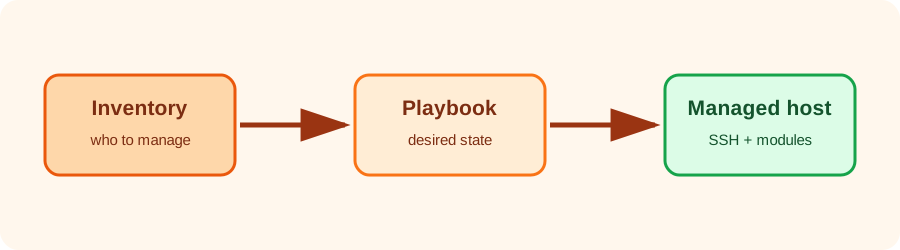
A gentle introduction to Ansible inventory, ad-hoc commands, and the first repeatable playbook.
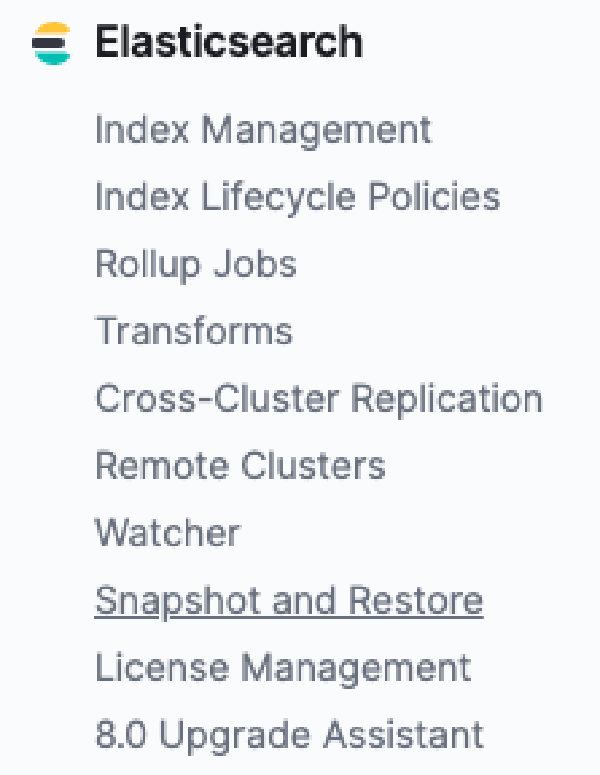
If you have a production grade elastic cluster it is always recommended to do a regular backup as a standard practice.
Snapshot is a backup of information, that can be be used to restore the last known good state of the system