A small project layout for turning a working Ansible playbook into reusable roles without losing clarity.
Loops in Ansible allow you to repeat a task multiple times with different input values.
One of its Ansible’s features is the ability to execute tasks with elevated privileges, often necessary for managing system configurations. This process is known as privilege escalation.
A practical guide to Ansible's built-in context variables, including hostvars, groups, inventory_hostname, and facts.
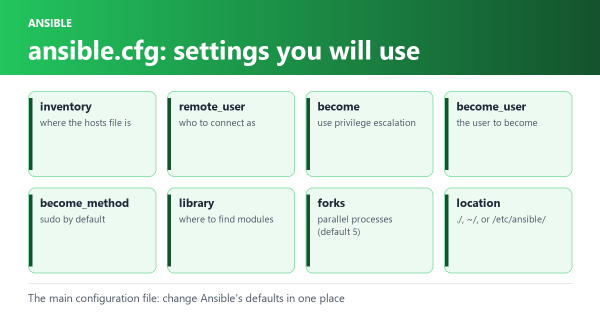
How ansible.cfg, inventory settings, and environment variables fit together in a manageable project.
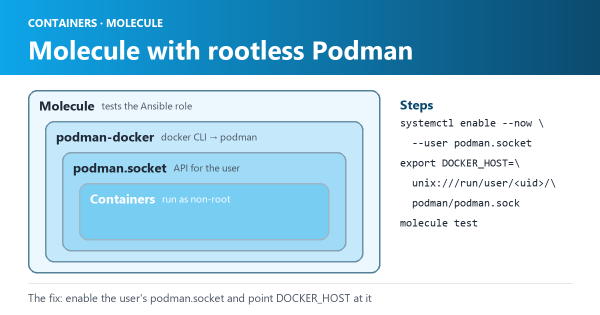
On my Centos8 I was facing issue when I was trying to run Molecule on a centos machine which is running podman as a non root user.
A gentle introduction to Ansible inventory, ad-hoc commands, and the first repeatable playbook.
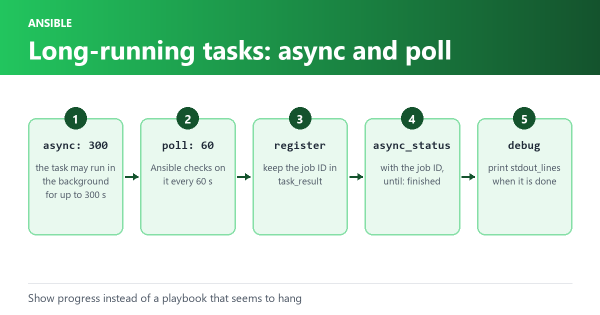
Recently during our discussion with a client a problem was raised how to show progress for a long running Ansible playbook task & this blog is just an outcome of the things I tried and delivered.
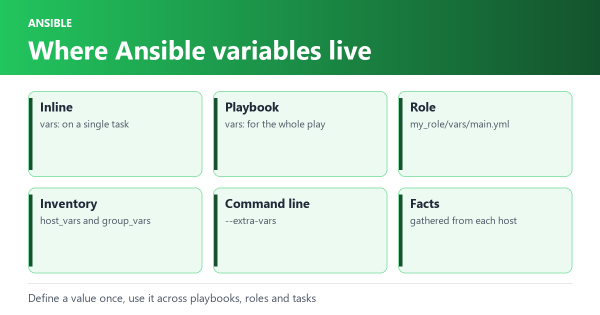
Variables are a crucial part of Ansible and are used to store values that can be used across playbooks, roles, and tasks.
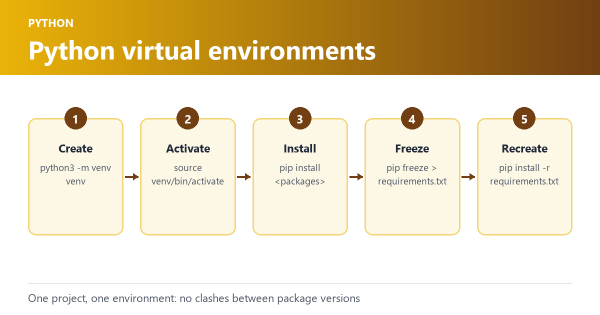
Continuing from the blog, Virtual environments are isolated Python environments that allow you to manage dependencies separately for each project, providing a controlled and reproducible environment…
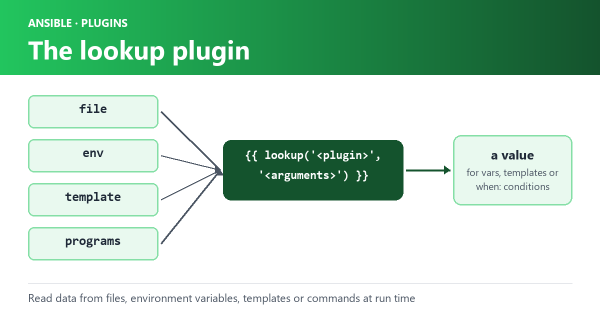
Ansible’s lookup plugin allows you to access data from a variety of sources, including files, templates, and external programs.
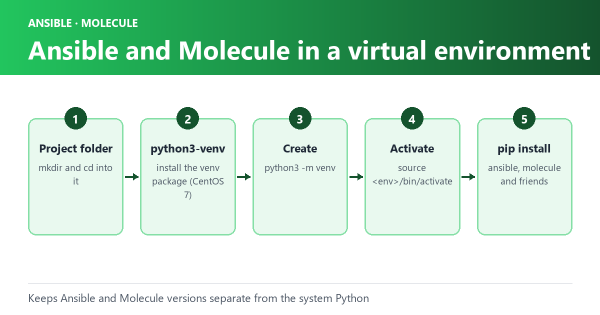
Ansible and Molecule are popular tools for configuration management and testing in the world of DevOps.
The file can be placed in various locations, such as the current directory, user’s home directory, /etc/ansible/, and /etc/ansible/conf.d/.
Ansible Variables are used to store values that can be reused throughout an Ansible playbook.
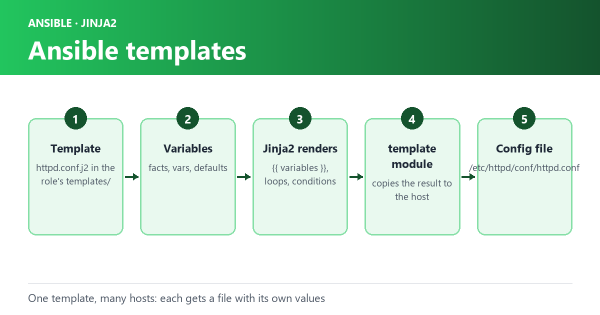
Templates in Ansible are a type of file that contain configuration information or scripts written in a Jinja2 templating language.
To set up SSH access for inventory hosts in Ansible, follow these steps:
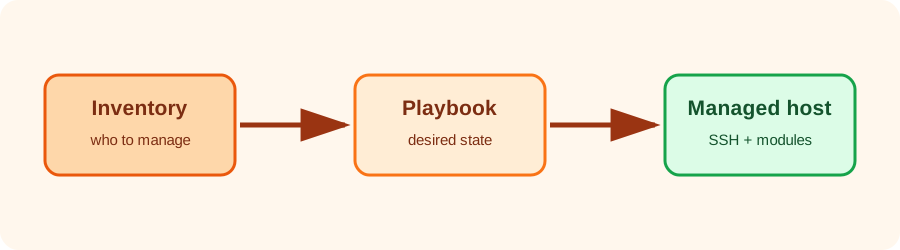
An Ansible inventory is a file that defines the hosts and groups of hosts that Ansible will manage. Inventory files are used to define the nodes (hosts) that will be managed by Ansible.
Ansible is an open-source software platform for automating and managing IT infrastructure.
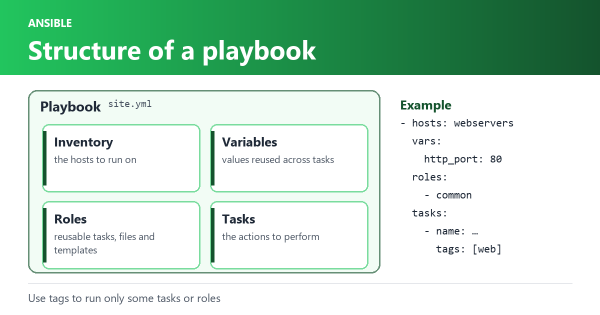
The structure of an Ansible playbook includes the following elements:
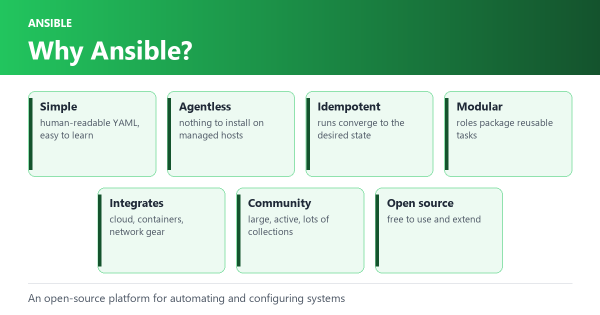
Ansible is an open-source software platform for automating and configuring computer systems.
Control node Managed nodes Inventory Modules Tasks Playbooks